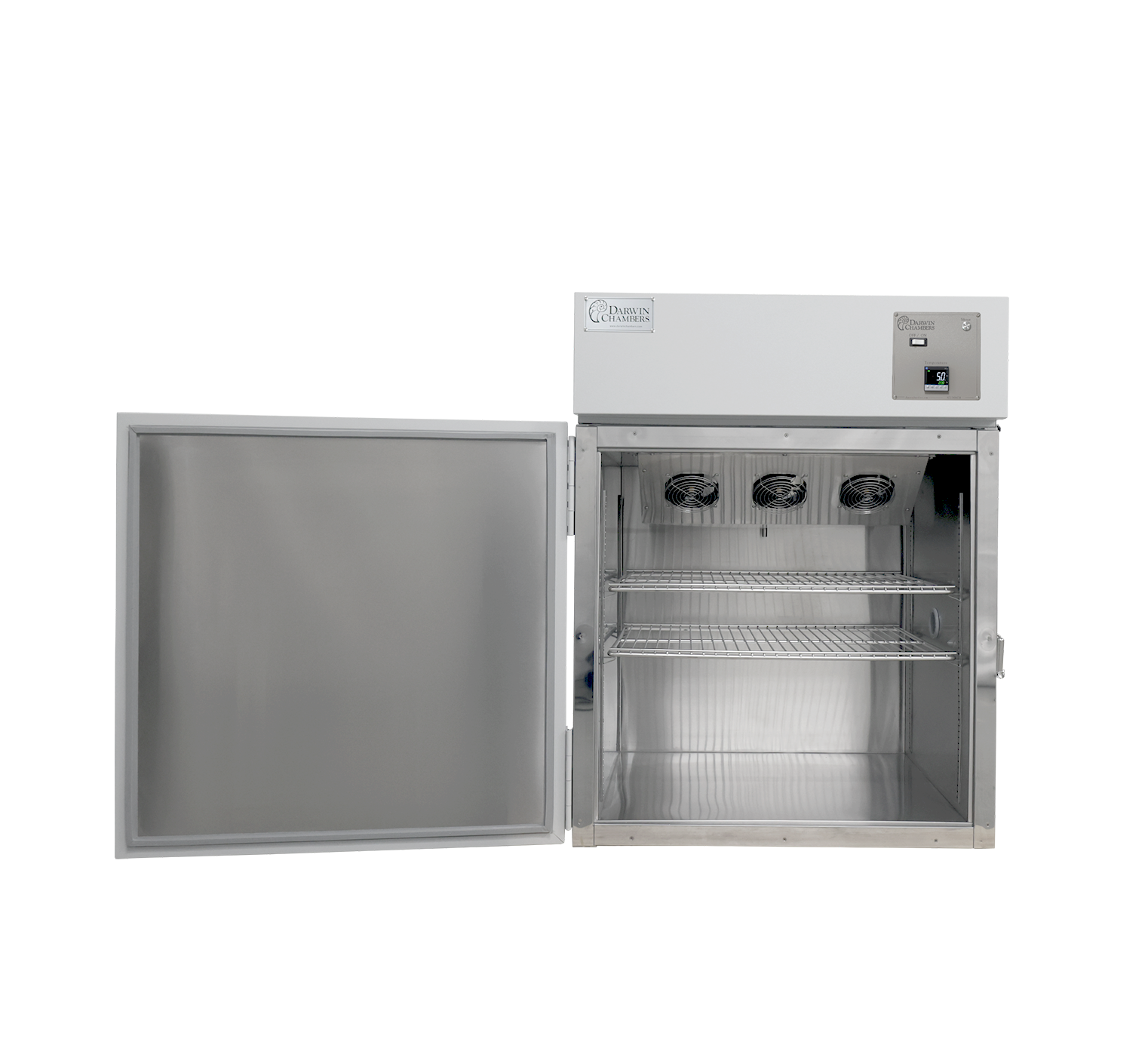
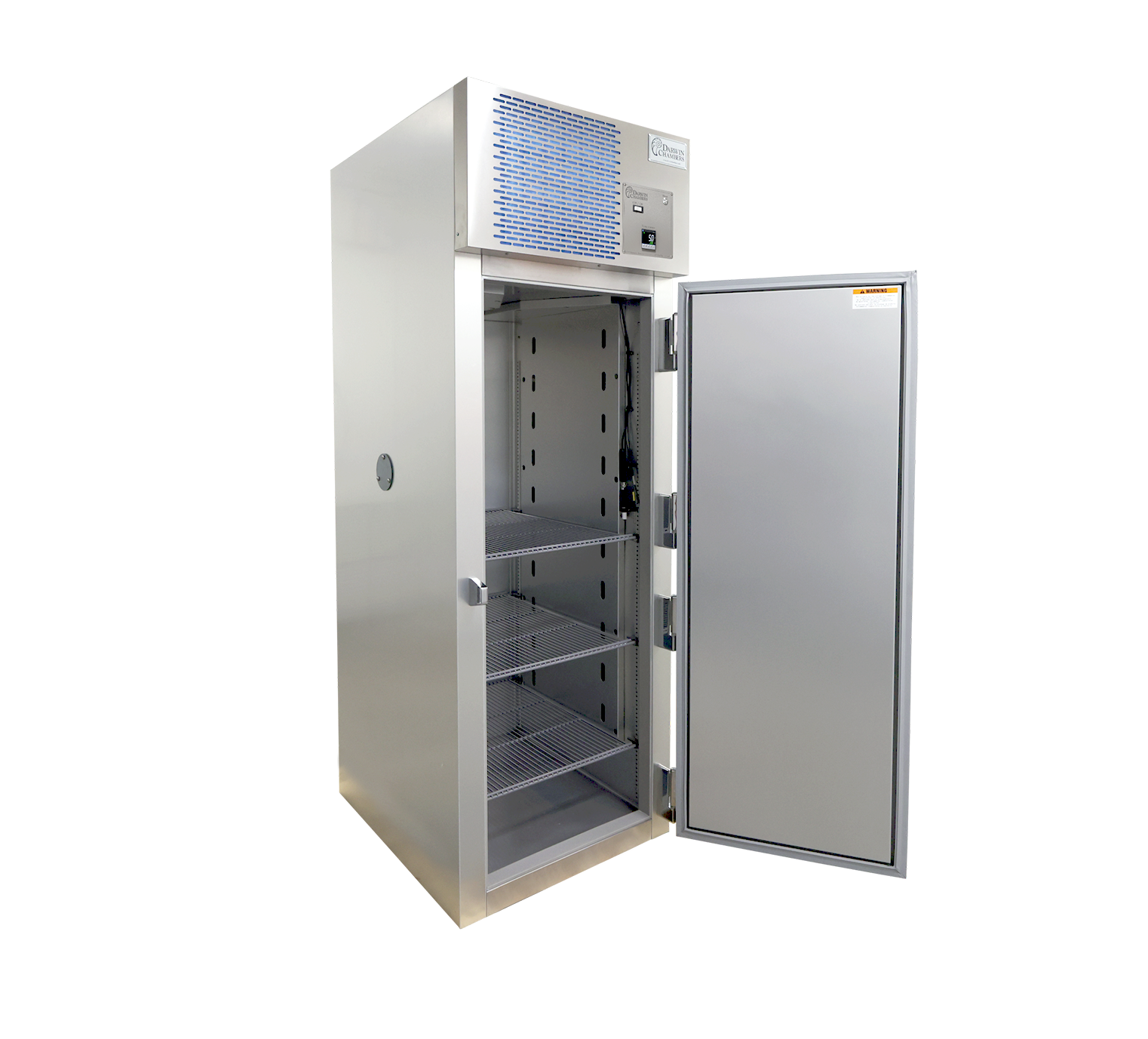
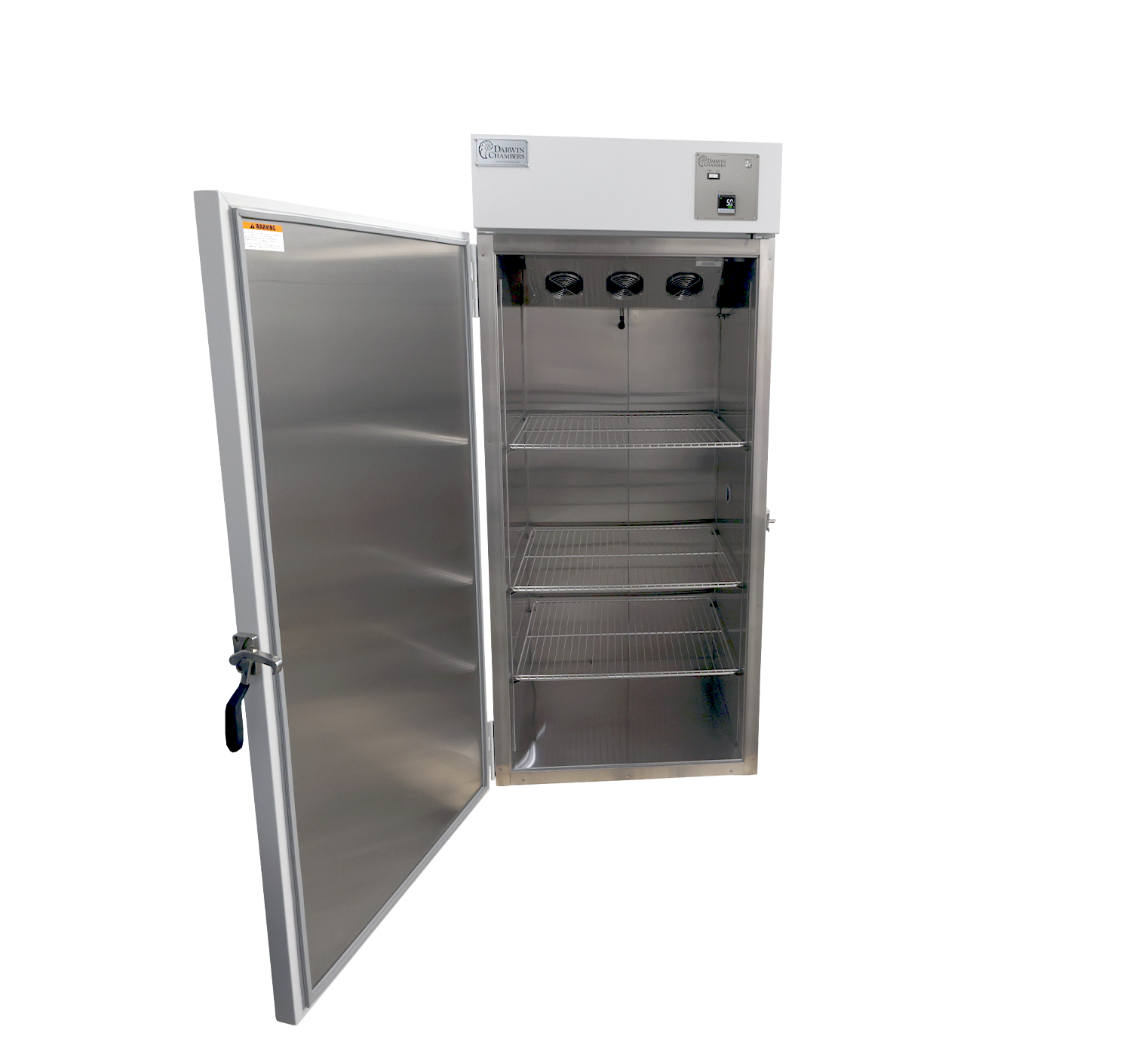
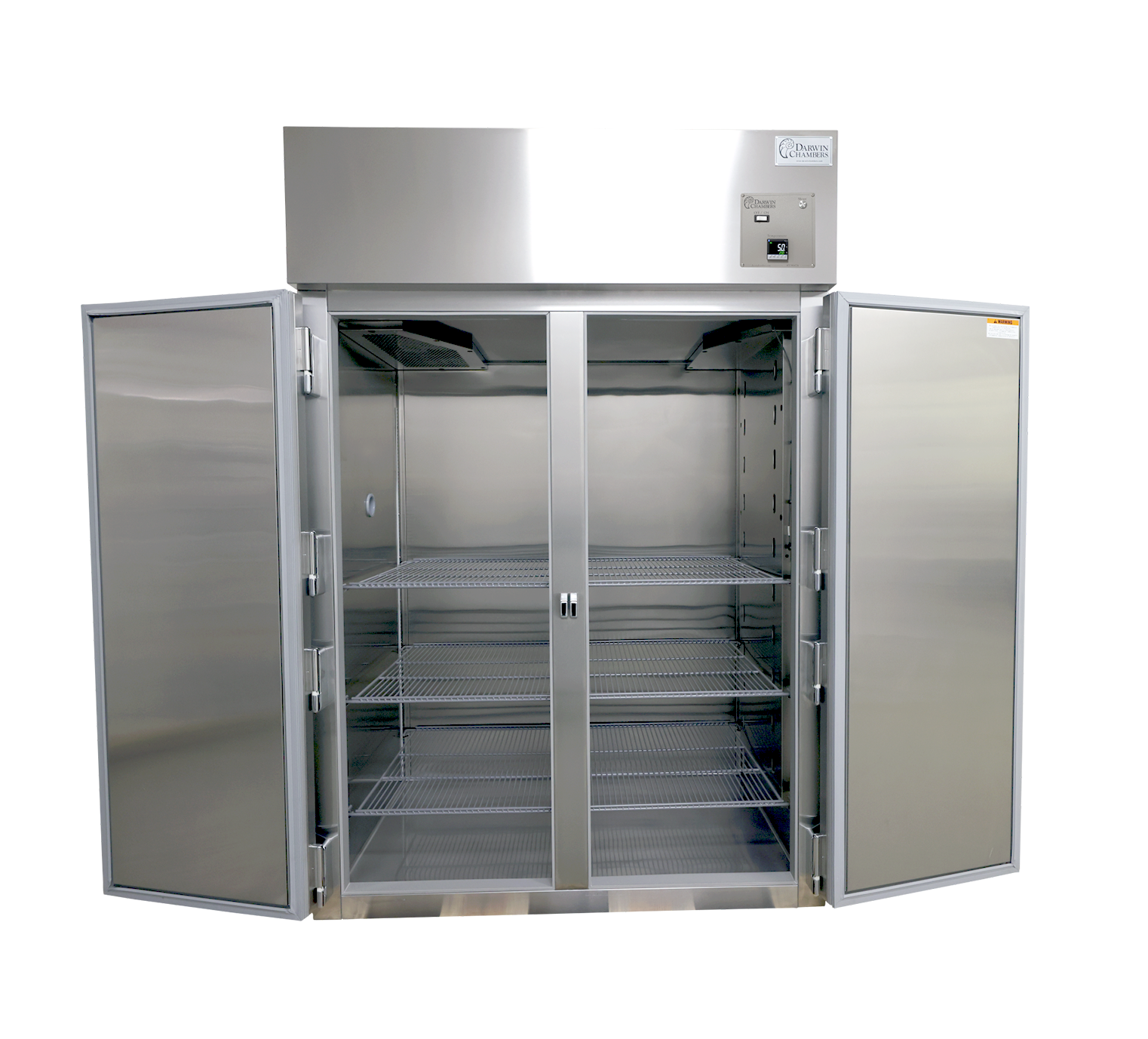
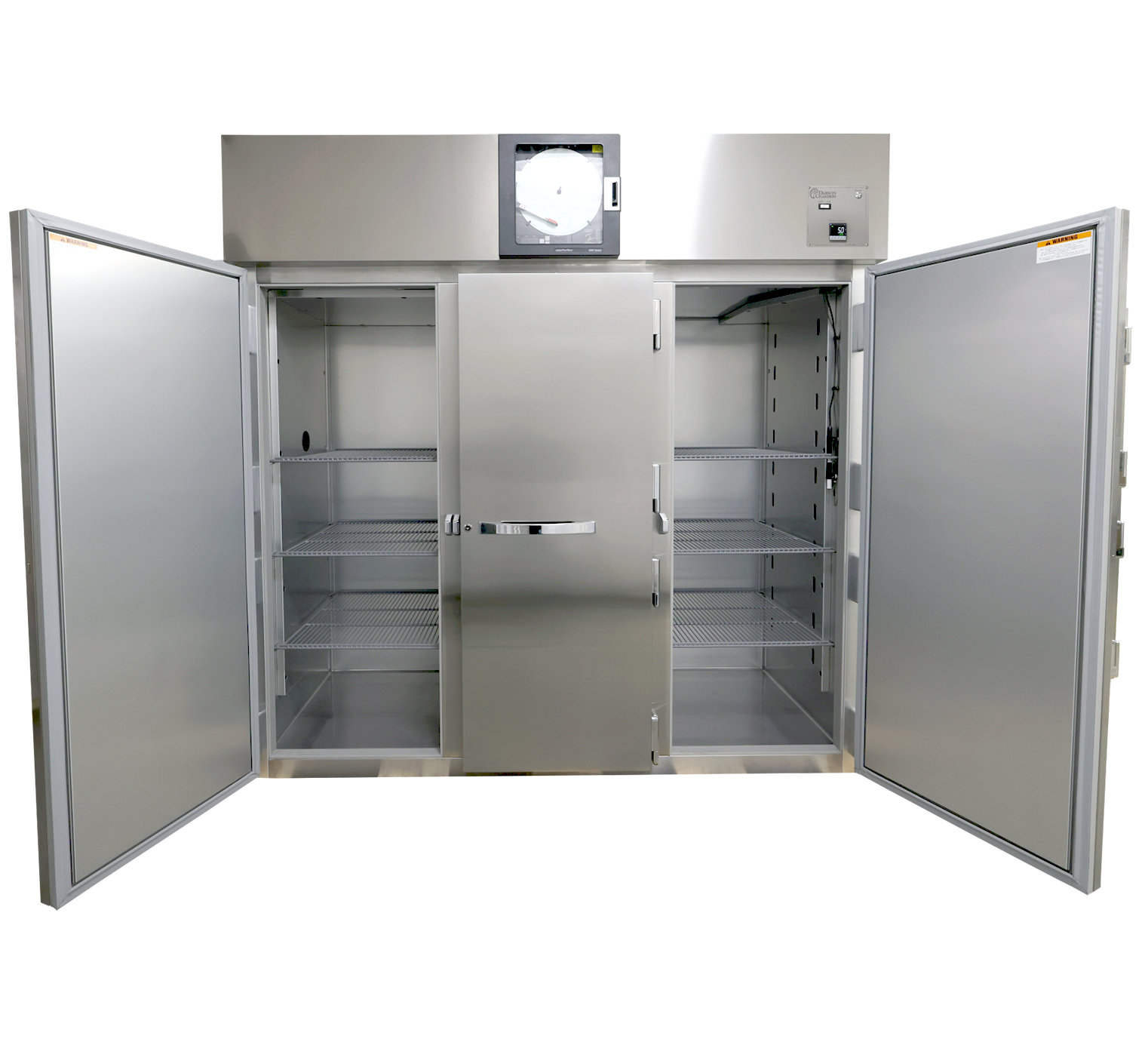
TH Series Features
TH Series
The TH series chambers are our state of the art freezer environmental chambers used for a variety of applications. Controls are able to be quickly exchanged for future upgrades or repair.
Greatly Reduced Direct and Indirect Energy Loads
The TH Series freezers utilize less energy than comparable freeze thaw chambers and introduce less impact upon building cooling systems. This efficiency “dual benefit” allows our chambers to be located in spaces unsuitable for other chambers.
Refrigeration System
The TH Series provides an oversized and balanced, environmentally friendly R404A refrigeration system, epoxy coated evaporator, large evaporator and coil heater permit for a short defrost cycle. Along with an automatic evaporator fan motor to delay frost during defrost.
Options Available
Data Logging
Chart Recorders
Touch Screen Control Interface
Widely Proven, Non-Proprietary Controllers
Standard controllers for the TH Series are manufactured by Fuji Electric and are ideal for laboratory freezer. Unlike many proprietary controllers, this controller is commercially available and proven in tens of thousands of installations. Standard functions include: autotuning, fuzzy logic, PID control, programmable alarms, calibration capability, ramp/soak, offset capability, etc. A touchscreen control interface is optional. Other controller manufacturers are also supported (Watlow, Allen-Bradley etc.)
Services and Warranties
We offer technical support throughout the lifetime of your freezer. In addition to standard warranties, we also offer extended warranties for cooling components, parts and labor. We also provide qualifications, validations and preventive maintenance services at an additional cost. Please ask for a quote.
Quiet Operation
The TH series freezers utilize quiet, highly efficient DC fans.
Frequently Asked Questions (FAQs) About Freeze/Thaw Chambers
What is the Freeze Thaw Method?
The freeze-thaw method involves subjecting materials to cycles of freezing and thawing to test their durability and stability under such conditions. This method is commonly used in material science, pharmaceuticals, and food industry to simulate natural conditions that products might encounter during transportation, storage, or usage. The objective is to identify potential weaknesses and ensure that products maintain their integrity, effectiveness, and safety when exposed to varying temperatures. This process is critical for assessing the long-term usability of a product in real-world scenarios.
What Applications Are Freeze/Thaw Chambers Typically Used For?
Freeze/thaw chambers are typically used for several critical applications across various industries:
- Material Testing: They are essential in construction and engineering for evaluating the durability of building materials under cyclical freeze and thaw conditions.
- Pharmaceutical Stability Testing: These chambers test the stability and efficacy of drugs and vaccines when exposed to fluctuating temperatures.
- Food Science: Used to assess how freezing and thawing affect the quality and safety of food products.
- Research and Development: Useful in R&D for simulating environmental conditions to test new products.
- Cosmetics Testing: Evaluating how cosmetic products withstand extreme temperatures to ensure their quality and stability over time.
- Biological Specimens: Studying the effects of freezing and thawing on biological materials such as tissues, blood samples, and other biological fluids.
- Environmental Simulation: Mimicking natural weather patterns to study the effects on different materials or products.
What Are the Energy Efficiency Features of the TH Series Chambers?
The TH Series Chambers are designed with energy efficiency in mind, featuring several features to reduce power consumption. These include high-quality insulation to maintain stable internal temperatures and reduce the load on cooling systems. They also employ energy-efficient refrigeration components which lower overall energy usage. Additionally, programmable controls allow for precise temperature regulation, minimizing unnecessary energy expenditure by maintaining optimal conditions only as needed. These features collectively enhance the chambers' energy efficiency, making them both cost-effective and environmentally friendly.
What Testing Standards Does the TH Series Freeze/Thaw Chamber Allow For?
The TH Series Freeze/Thaw Chambers accommodate testing standards specifically designed for assessing the durability of materials under cyclic temperature conditions:
- AASHTO T103 Test Method: This standard involves three different procedures (A, B, and C) that test the freeze-thaw resistance of concrete specimens to evaluate their durability.
- Procedure A: This procedure tests the specimen's resistance to freezing and thawing while submerged in water.
- Procedure B: In this procedure, the specimen undergoes freeze/thaw cycles while submerged in a sodium chloride solution, providing insights into the effects of deicing chemicals.
- Procedure C: This method involves testing the specimen's resistance to freeze/thaw cycles in an air environment, mimicking conditions where water ingress and subsequent freezing could occur within air pockets.
- Iowa Department of Transportation Test Method 211-B: This method is used to assess the freeze and thaw durability in hydraulic cement concrete, particularly focusing on transportation-related infrastructure.
These standards ensure that materials meet the necessary durability and safety requirements under variable temperature conditions.