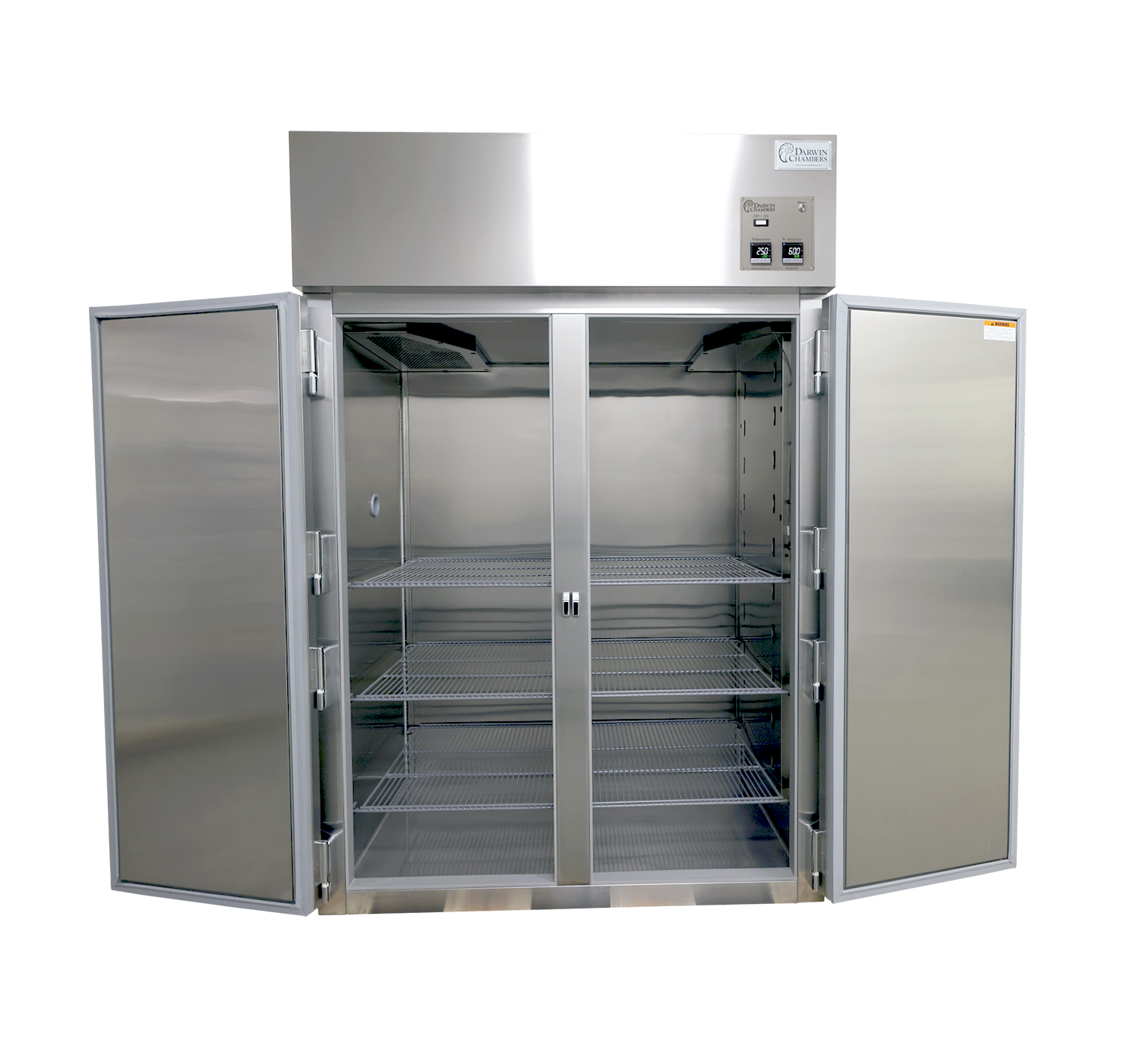
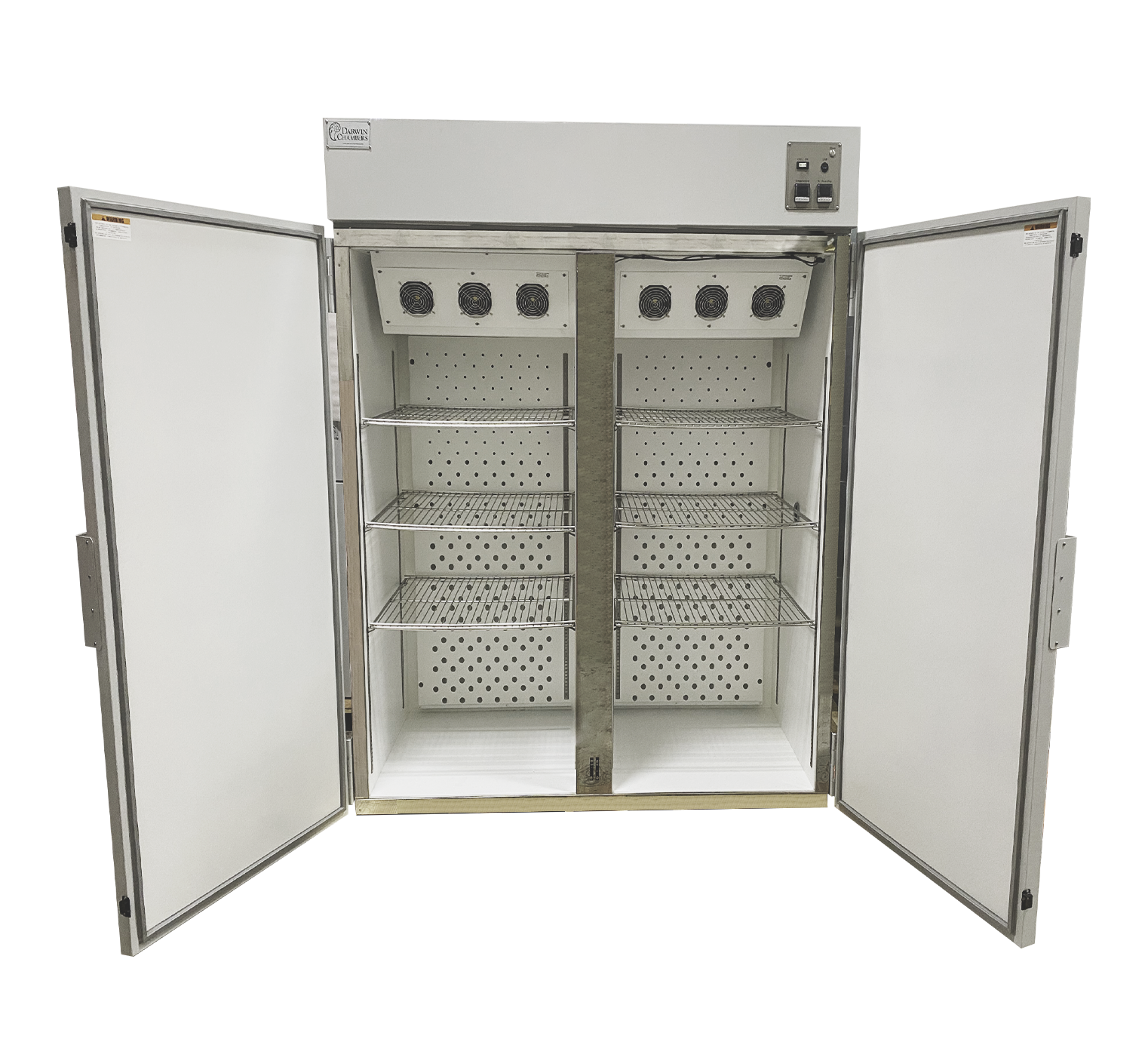
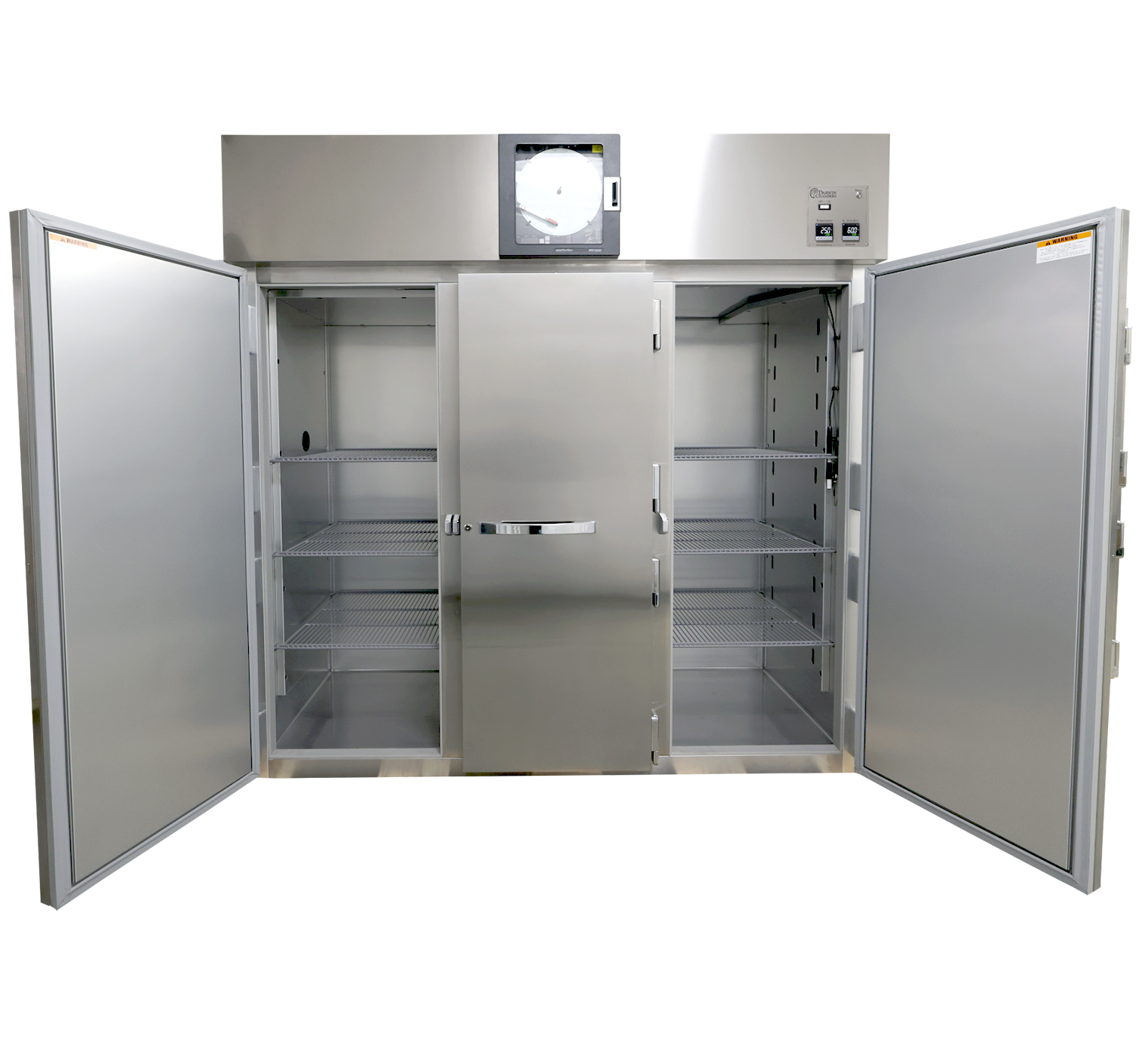
HH Series Features
Why Choose The HH Series
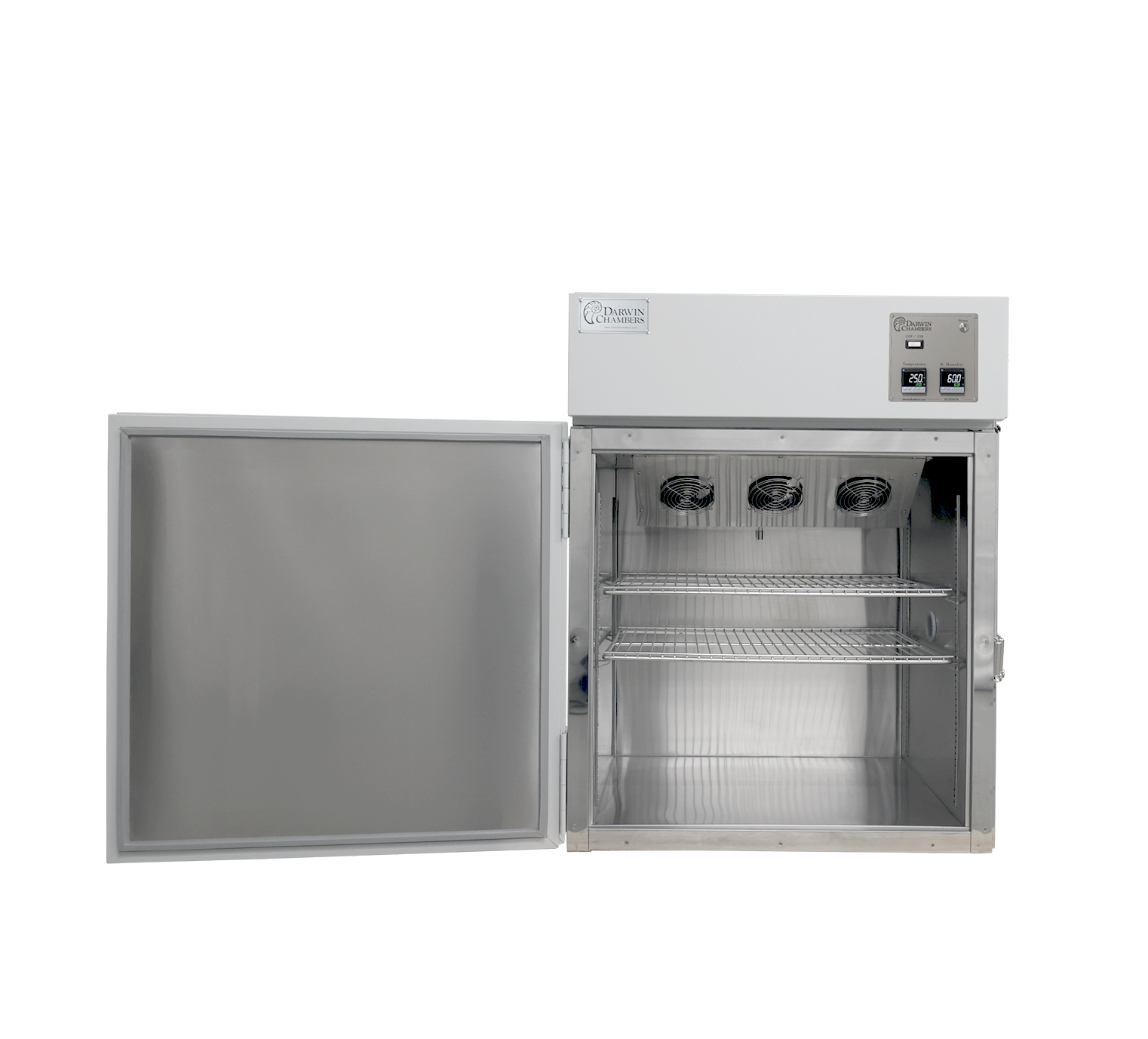
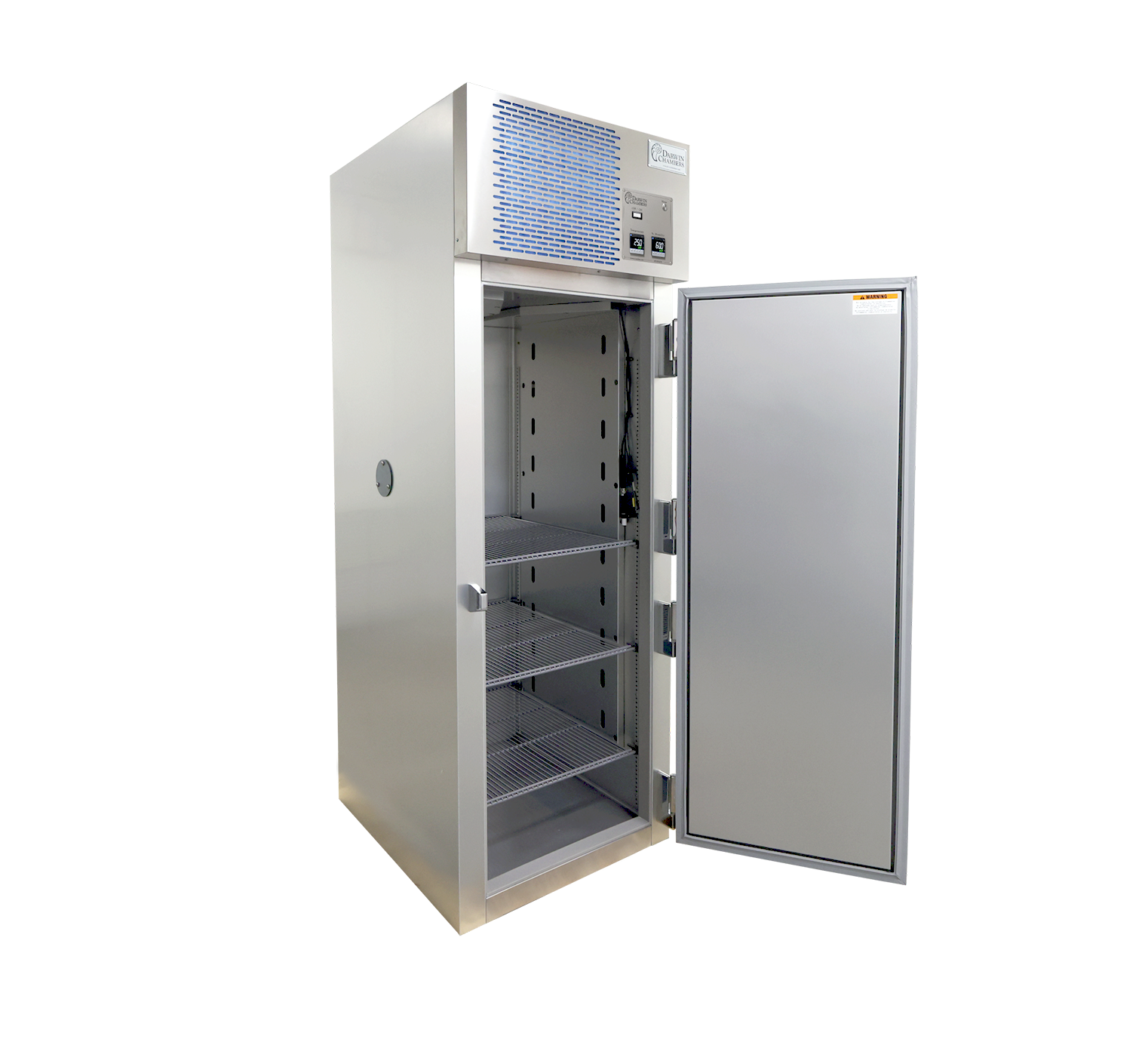
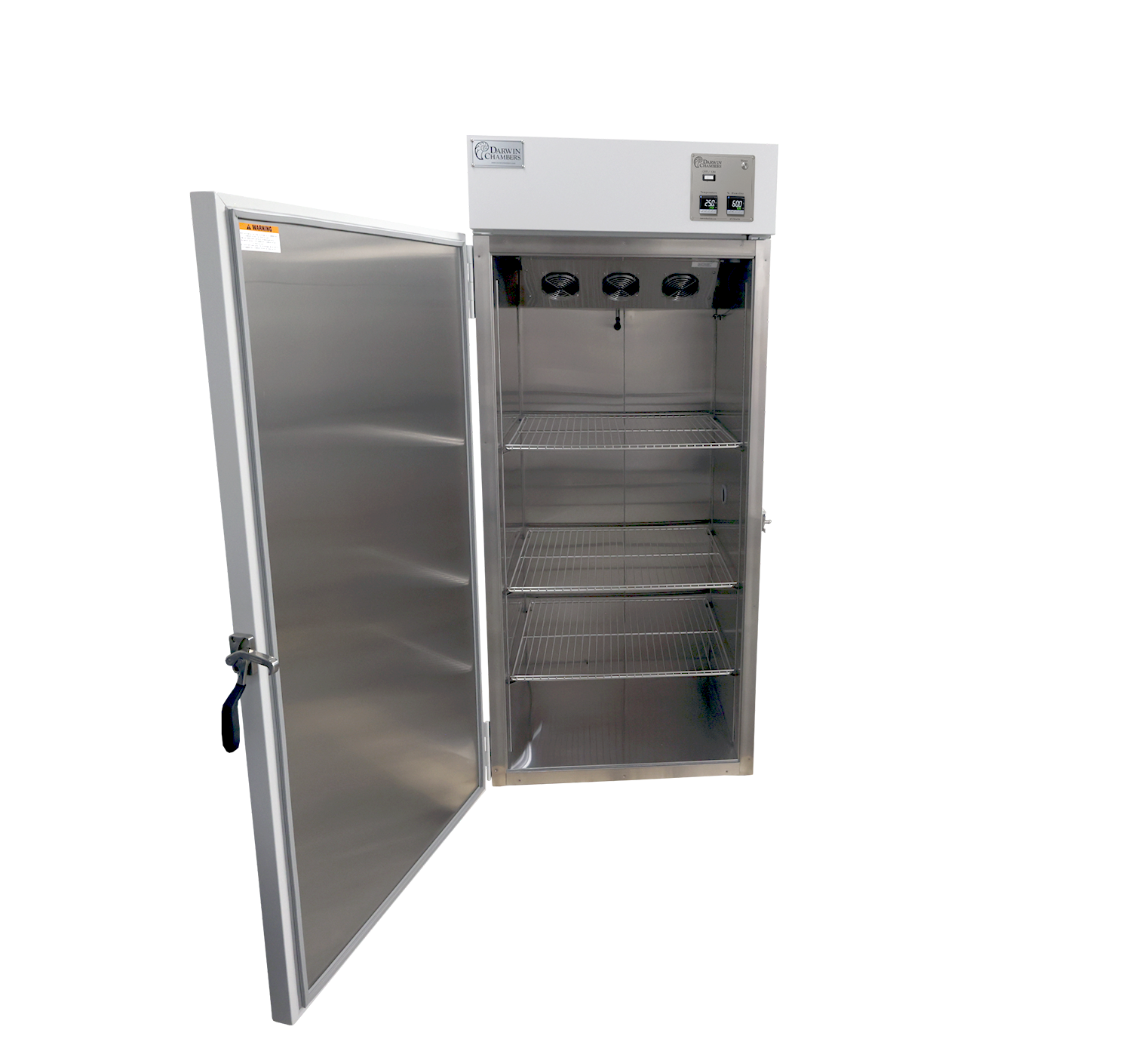
The HH series was introduced in 2003 as the first commercially manufactured large capacity heated and humidified incubator. The HH series incubators are presently in use by research companies around the world.
This superior heated and humidified incubator comes equipped with our exclusive ultrasonic humidification system to generate a cool mist that eliminates hot spots within your chamber, normally associated with steam-based humidification. In addition, when utilized with water that meets out recommended standards, the ultrasonic humidification system greatly reduces required operational and maintenance costs as compared to traditional steam based humidification systems.
Widely Proven, Non-Proprietary Controllers
Standard controllers for the AR Series are manufactured by Fuji Electric and are ideal for archival storage chambers Unlike many proprietary controllers, this controller is commercially available and proven in tens of thousands of installations. Standard functions include: autotuning, fuzzy logic, PID control, programmable alarms, calibration capability, ramp/soak, offset capability, etc. A touchscreen control interface is optional. Other controller manufacturers are also supported (Watlow, Allen Bradley etc.)
Superior Control and Uniformity
The ultrasonic humidification system provides excellent humidity control and avoids hot spots seen during chamber mapping of steam boiler equipped chambers. Standard control at the sensor in these chambers is ±0.2°C and ±0.3%RH.
Services and Warranties
We offer technical support throughout the lifetime of your chamber. In addition to standard warranties, we also offer extended warranties for cooling components, parts and labor. We also provide qualifications, validations and preventive maintenance services at an additional cost. Please ask for a quote.
Options Available
Chart Recorders
Data Loggers
Dryers
Bench-Top Chamber Capable of Being Stacked
Frequently Asked Questions (FAQs) About Heated-Humidified Incubators/Ovens
What are the Typical Uses of Heated-Humidified Incubators/Ovens?
Heated-humidified incubators or ovens are specialized laboratory equipment designed to provide controlled temperature and humidity conditions for a variety of temperature-sensitive materials and purposes, including:
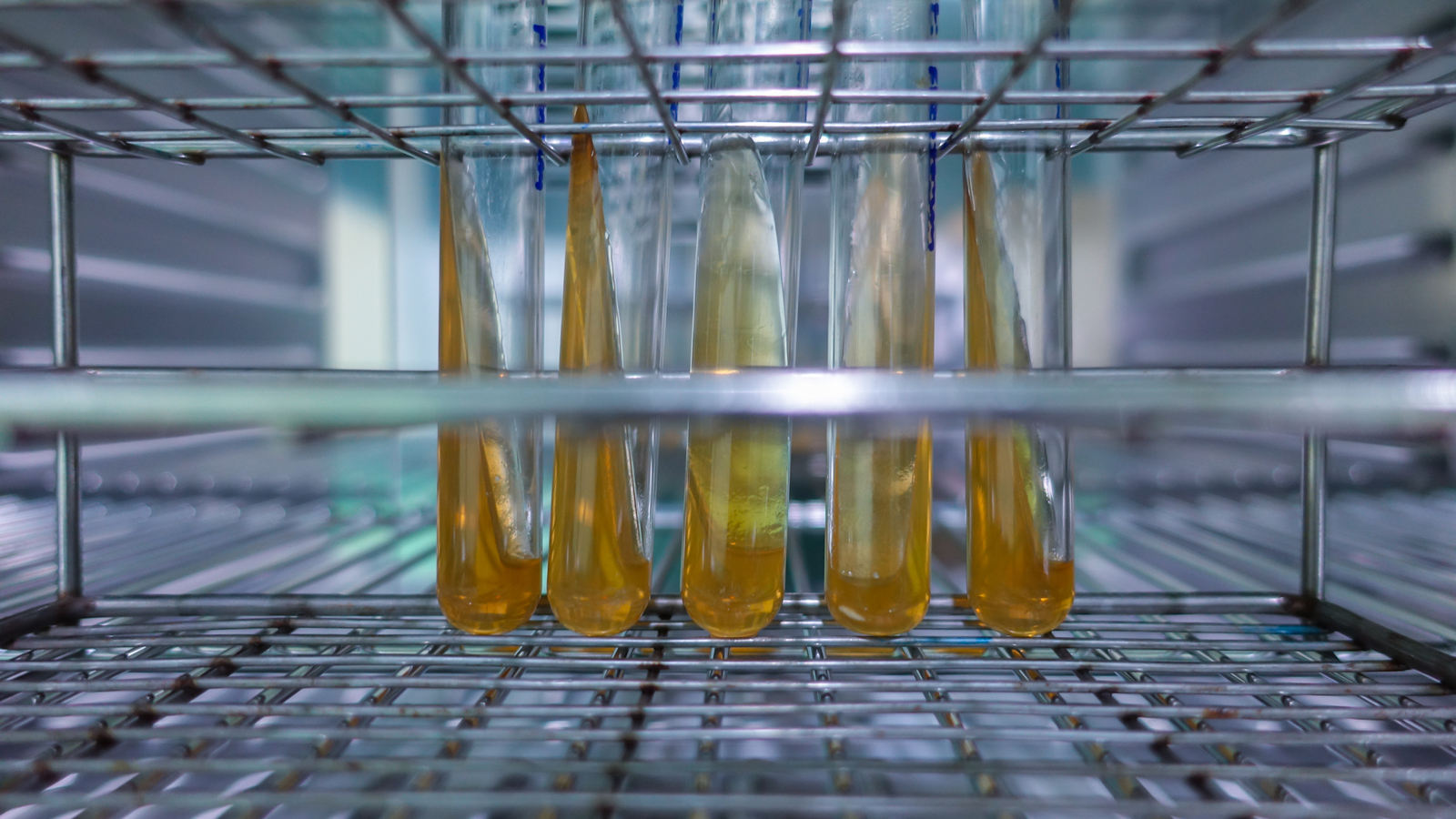
- Microbial Culture: Heated-humidified incubators are used to cultivate a variety of microorganisms, including bacteria, fungi, yeast, and algae, for research, industrial uses, and quality control testing. The controlled incubation conditions support microbial growth, replication, and metabolic activity.
- Plant Tissue Culture: Heated-humidified incubators provide optimal temperature and humidity levels used in plant tissue culture laboratories to propagate plant cells, tissues, and organs. This allows researchers to regenerate whole plants, produce somatic embryos, and conduct genetic transformation experiments.
- Cell Culture: Heated-humidified incubators are vital for maintaining mammalian cell cultures, including adherent cells, suspension cultures, and primary cells. The controlled environment within the incubator mimics the physiological habitat required for cell growth, proliferation, and differentiation in vitro.
- In Vitro Fertilization (IVF): Heated-humidified incubators are used in assisted reproductive technologies for the incubation of gametes and embryos during the process of IVF and embryo culture. The precise temperature and humidity control inside the incubator create an optimal environment for gamete handling, fertilization, embryo development, and cryopreservation.
- Histology & Pathology: Heated-humidified incubators are used in laboratories for tissue processing, embedding, and staining procedures. They provide optimal conditions for tissue fixation, dehydration, clearing, infiltration, and paraffin embedding.
- Molecular Biology & Biochemistry: Heated-humidified incubators are utilized in laboratories for a variety of applications, such as DNA/RNA hybridization, polymerase chain reaction, protein expression, enzyme assays, and protein crystallization. The conditions within the incubator support biomolecules, enzymes, and macromolecular complexes during experiments.
What is the Temperature Inside Heated-Humidified Incubators/Ovens?
The temperature inside a heated-humidified incubator or oven varies and can be adjusted based on the specific requirements of the experiments or applications being done in the laboratory. Normally, these incubators offer a wide temperature range, allowing users to set temperatures to suit their needs – usually ranging from as low as ambient/room temperature (20°C) to as high as 70°C to 80°C. However, heat only incubators/ovens can offer even higher temperature capabilities.
What are the Advantages of Using Heated-Humidified Incubators/Ovens?
Heated-humidified incubators and ovens offer a variety of benefits in laboratory settings, making them essential equipment because of their:
- Precise Temperature Control: Heated-humidified incubators offer precise temperature control, allowing researchers to create and maintain specific conditions required for several experiments, cell cultures, microbial cultures, and other applications.
- Versatility: Heated-humidified incubators are versatile chambers that can accommodate an array of uses, including cell culture, microbial culture, molecular biology experimentation, seed germination, and more.
- Uniform Temperature Distribution: These specialized incubators are designed to ensure uniform temperature distribution throughout the entire chamber, minimizing gradients and fluctuations. This is ideal for reliable experimental conditions and results.
- Humidity Control: In addition to temperature control, heated-humidified incubators provide precise humidity control, creating an environment with optimal humidity levels for cell culture, microbial growth, and other uses that call for moisture regulation.
- Time & Labor Savings: By providing a controlled environment for incubation, these chambers streamline experimental processes, reduce the need for manual monitoring and intervention, and diminish the risk of experimental errors. This saves researchers time and labor, allowing them to focus on data analysis and interpretation.
- Protection Against Contamination: These incubators are equipped with features like HEPA filtration and antimicrobial doors/coatings to minimize the risk of contamination and maintain sterile conditions within the chamber.