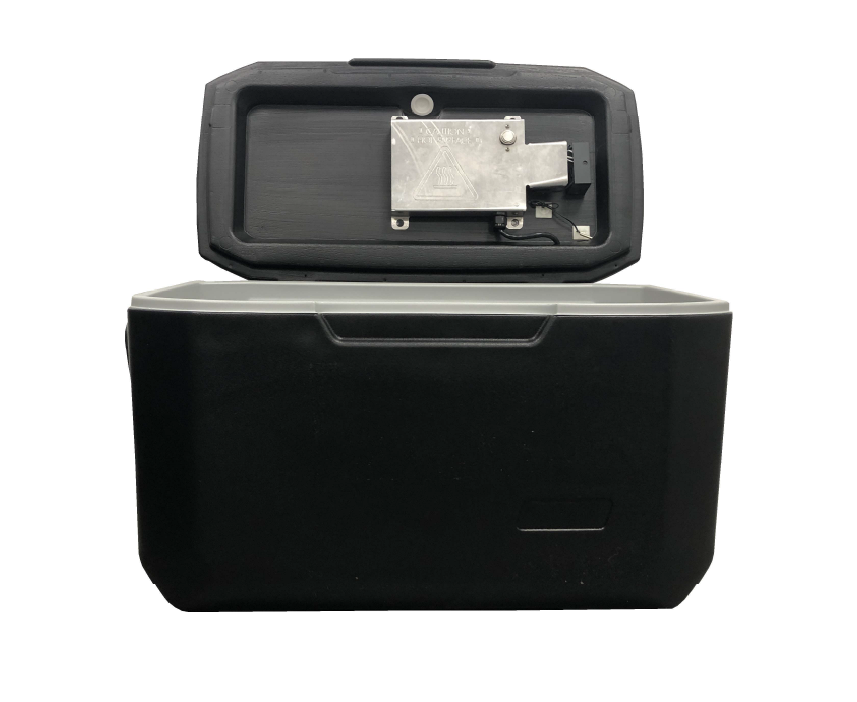
Frequently Asked Questions (FAQs) About Portable Chambers
What Are Portable Chambers Typically Used For?
Portable chambers are extensively used across various scientific fields for conducting experiments in controlled environments outside of traditional laboratory settings. They support a wide range of applications, such as:
- Biological Research: For studying plant and animal physiology under varied environmental conditions.
- Pharmaceuticals: Transporting and testing drugs that require specific temperature conditions.
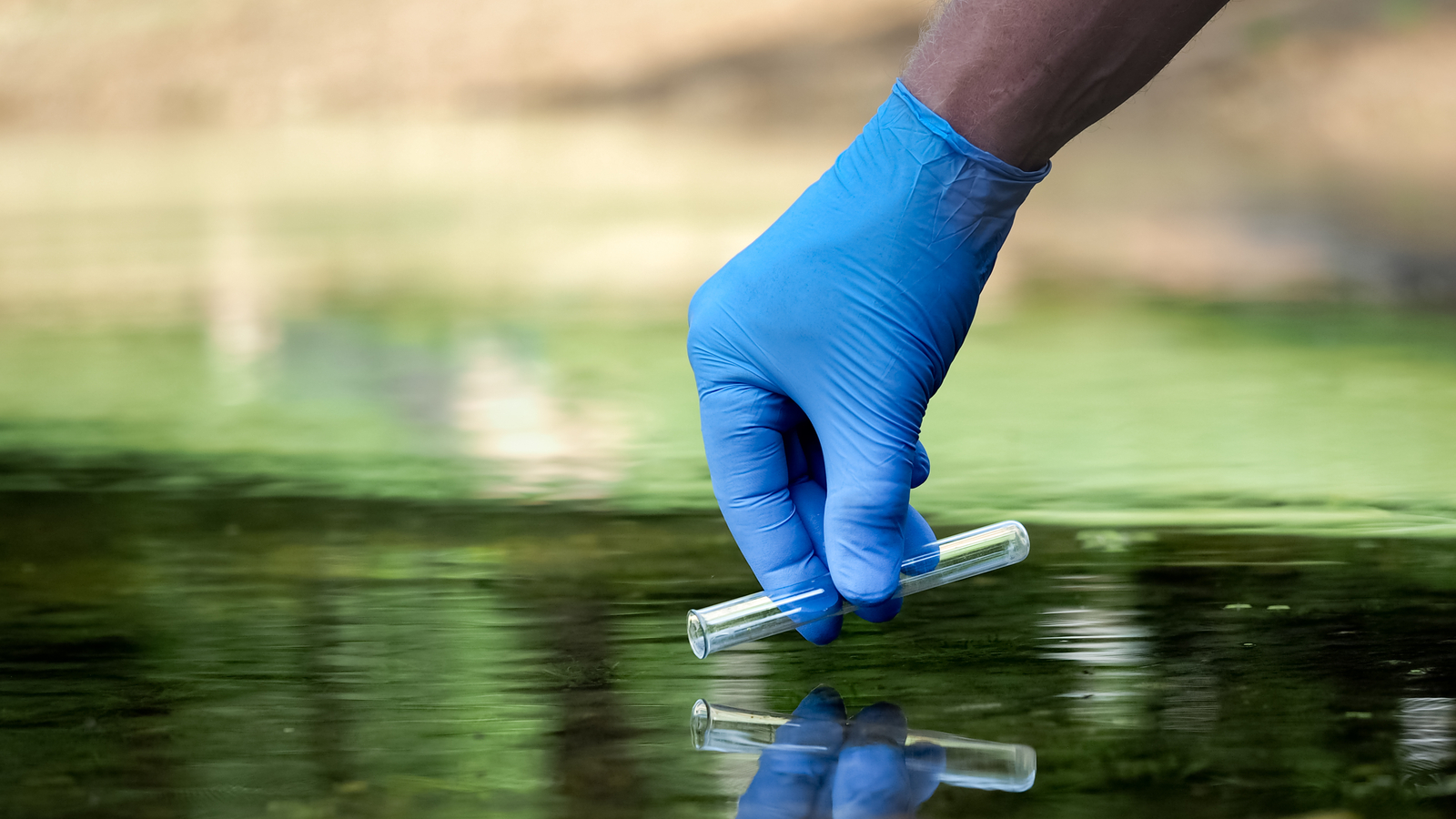
- Environmental Science: On-site testing of environmental impacts on different materials.
- Food Science: Ensuring the quality and safety of food products during transport and storage.
- Material Science: Testing construction materials like concrete and asphalt in real-world conditions.
- Clinical Research: Safely transporting and storing clinical samples.
- Wildlife Conservation: Supporting field studies and conservation efforts such as those involving the shoebill storks in African parks.
These fields benefit from the adaptability and precise control offered by portable chambers, enabling critical research and testing in non-laboratory settings.
What Are the Key Benefits of Using Portable Chambers?
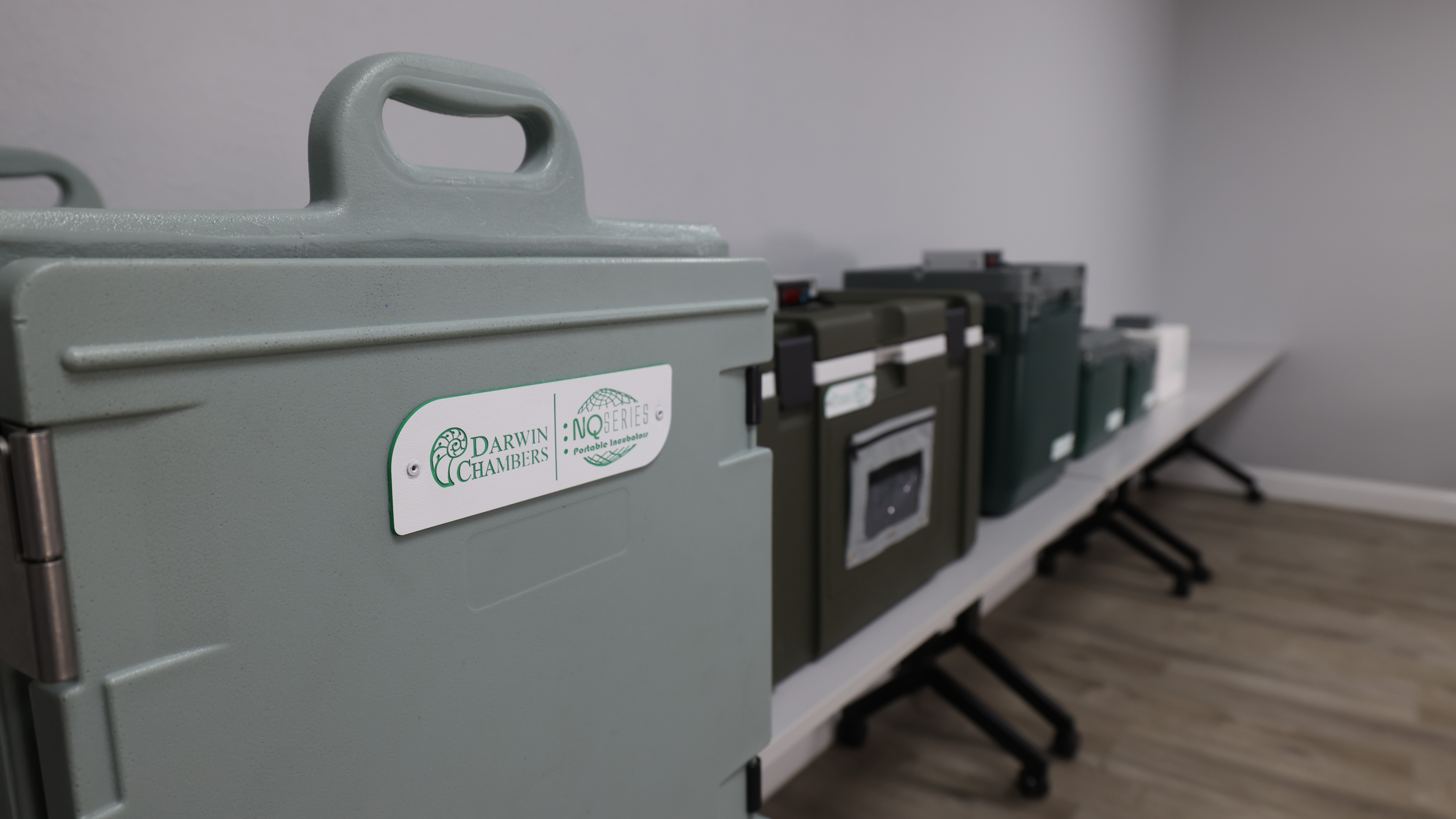
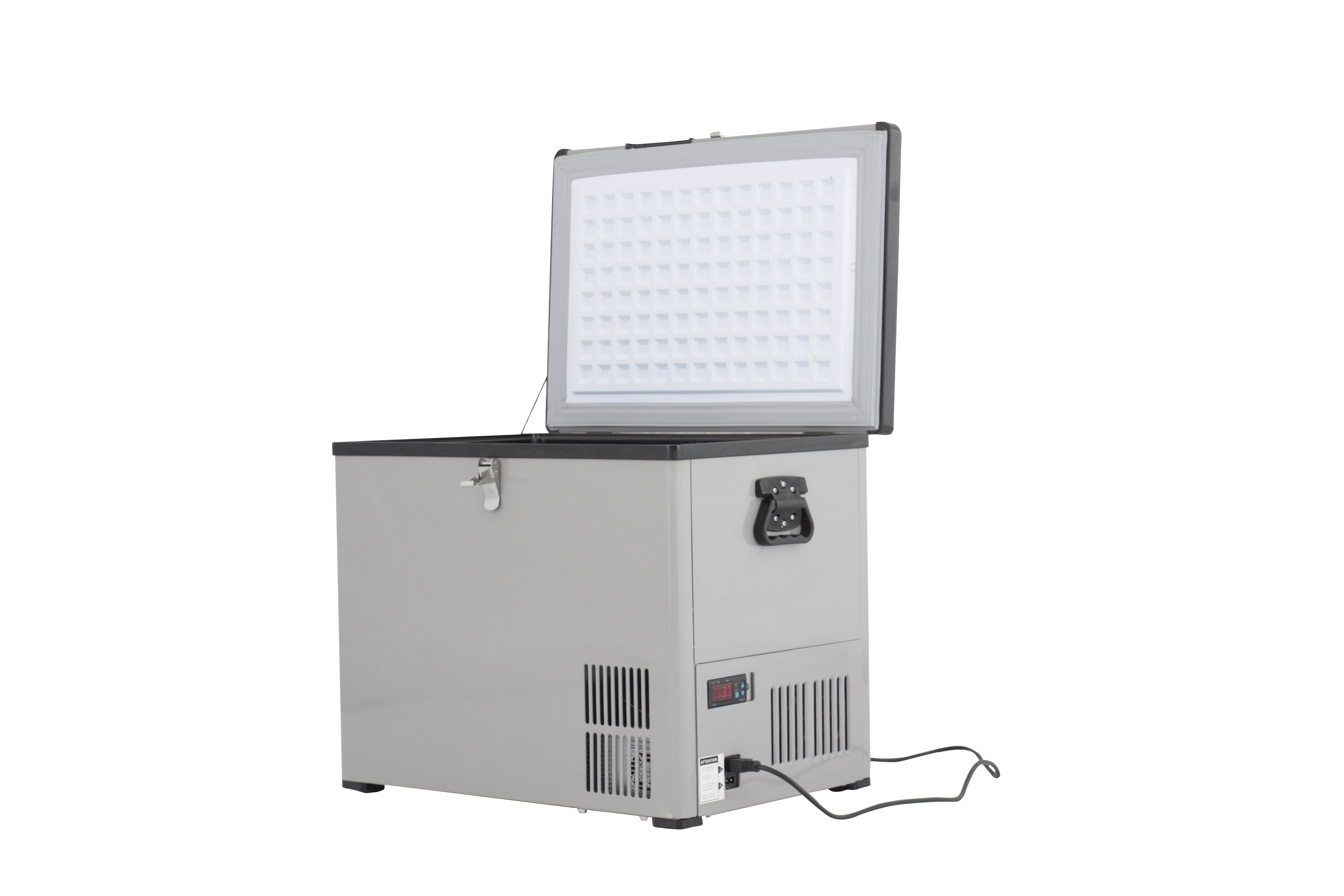
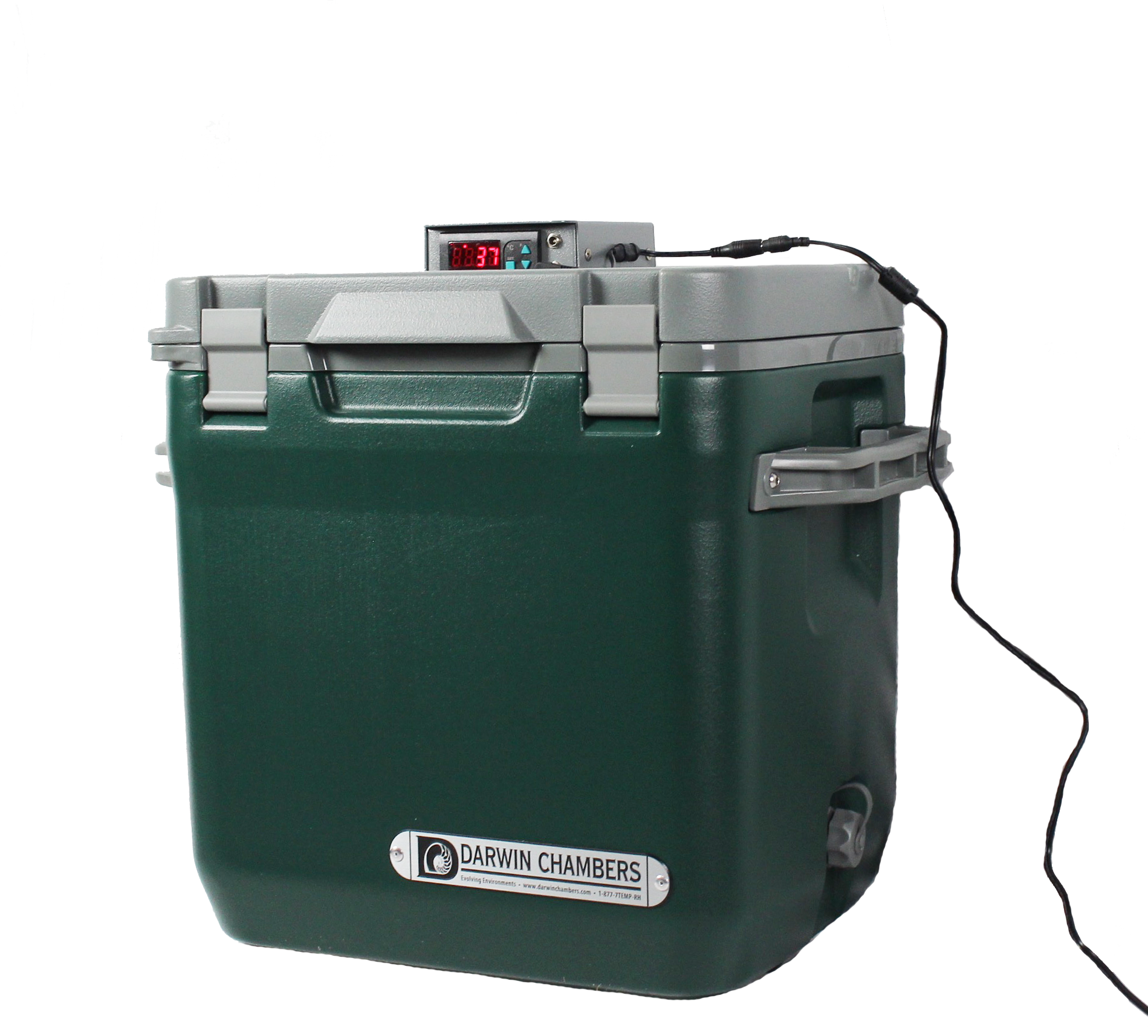
The key benefits of using portable chambers include their adaptability to various locations, making them ideal for field research and applications that require specific environmental simulations. They offer mobility, ease of use, and the ability to maintain controlled conditions rigorously, thus ensuring the integrity of experimental results. Additionally, their portability allows for testing and research in remote or underserved locations, greatly expanding the scope and impact of scientific studies.