Peptides are only as stable as the environments they're stored and tested in.
Whether you're developing a therapeutic peptide, manufacturing an API, or conducting long-term stability studies, environmental conditions can significantly influence peptide integrity. Temperature excursions, improper humidity control, and inadequate storage practices may contribute to degradation pathways that compromise performance, efficacy, and regulatory compliance.
As peptide-based therapeutics continue to expand across pharmaceutical, biotechnology, and research applications, understanding stability requirements has become increasingly important throughout development and commercialization.
This guide explains the environmental factors that influence peptide stability, common storage requirements, and how controlled environmental chambers help ensure reliable testing and regulatory confidence.
What Factors Affect Peptide Stability?
Peptides are susceptible to several degradation mechanisms that can occur during manufacturing, storage, transportation, and stability testing, including:
- Hydrolysis
- Oxidation
- Aggregation
- Deamidation
- Conformational changes
- Moisture-related degradation
- Temperature-induced instability
- Light sensitivity in certain formulations
Because peptide molecules can vary significantly in structure and formulation, stability requirements are often product-specific. Environmental control plays a critical role in understanding how peptides behave over time and under varying conditions.
Why Environmental Conditions Matter for Peptide Testing
Environmental stability testing helps researchers and manufacturers answer critical questions, including:
- How long can a peptide remain stable at refrigerated temperatures?
- What happens during accelerated aging studies?
- How sensitive is the formulation to humidity exposure?
- Can shipping and storage conditions impact product integrity?
- How should commercial products be labeled and stored?
- What environmental controls are necessary during development and commercialization?
Stability testing provides the data necessary to support:
- Shelf-life determinations
- Packaging decisions
- Storage recommendations
- Regulatory submissions
- Commercial manufacturing and distribution strategies
Without tightly controlled environmental conditions, stability data may become unreliable or difficult to defend during regulatory review.
Temperature Requirements for Peptide Stability Testing
Temperature is often the most critical environmental variable during peptide development.
Depending on the formulation and intended use, peptides may require testing across multiple temperature ranges, including:
| Study Type | Common Temperature Conditions |
| Refrigerated Storage | 2°C to 8°C |
| Controlled Room Temperature | 20°C to 25°C |
| Accelerated Stability | 30°C to 40°C |
| Long-Term Stability | ICH-defined storage conditions |
| Freeze-Thaw Studies | Product-specific protocols |
| Shipping Validation | Simulated transportation conditions |
Even small temperature fluctuations may influence degradation rates during long-term studies.
For regulated applications, maintaining tight temperature uniformity throughout the chamber is essential for producing reliable and reproducible results.
Does Humidity Matter for Peptides?
The short answer is: often, yes.
Many peptides are hygroscopic or exhibit varying stability profiles when exposed to moisture. Relative humidity can impact:
- Chemical stability
- Physical appearance
- Powder formulations
- Lyophilized products
- Packaging performance
- Container closure systems
Common humidity-controlled stability studies include:
| Storage Condition | Relative Humidity |
| Long-Term Stability | 60% RH |
| Intermediate Stability | 65% RH |
| Accelerated Stability | 75% RH |
| Product-Specific Studies | Variable RH conditions |
Humidity control becomes especially important when conducting accelerated stability studies or evaluating packaging performance over time.
Peptide Storage Requirements
Peptide storage requirements vary significantly depending on:
- Research-use peptides
- Therapeutic peptides
- Commercial drug products
- Lyophilized powders
- Liquid formulations
- Proprietary peptide technologies
Storage requirements may include:
- Refrigerated storage
- Controlled ambient storage
- Frozen storage
- Humidity-controlled environments
- Light protection
- Continuous environmental monitoring
Because peptide formulations continue to evolve, storage recommendations are often established through product-specific stability studies rather than broad industry standards.
This makes environmental testing a critical component of peptide development programs.
How Stability Testing Supports Regulatory Compliance
Regulatory expectations for peptide therapeutics continue to mature alongside the rapid growth of the industry.
Stability studies are commonly used to support:
- IND submissions
- NDA submissions
- Product labeling
- Shelf-life claims
- Manufacturing validation
- Commercial release requirements
- Ongoing quality programs
While peptide-specific regulatory guidance is still evolving in some areas, many products follow broader pharmaceutical stability testing expectations established under internationally recognized guidelines.
Environmental chambers are frequently used to support:
- ICH stability studies
- Temperature and humidity testing
- Packaging validation
- Accelerated aging programs
- Product development studies
- Custom environmental protocols
The ability to demonstrate tightly controlled environmental conditions throughout testing can help support data integrity and regulatory confidence.
Environmental Chamber Considerations for Peptide Testing
Not all environmental chambers are designed for peptide applications.
When evaluating stability testing equipment, researchers should consider:
Temperature Performance
- Tight temperature uniformity
- Precise temperature control
- Rapid recovery after door openings
Humidity Performance
- Accurate humidity control
- Stable RH performance over time
- Uniform environmental conditions throughout the chamber
Chamber Configuration
- Reach-in chambers
- Walk-in stability rooms
- Custom peptide testing environments
Monitoring Capabilities
- Continuous environmental monitoring
- Historical performance data
- Predictive monitoring technologies
- Alarm and notification systems
Compliance Support
- Qualification services
- Calibration programs
- Preventative maintenance
- Documentation packages
Environmental control systems should be selected based on both current testing requirements and anticipated future development needs.
Why Environmental Control Matters Throughout Peptide Development
Peptide development programs rarely remain static.
Environmental requirements may evolve throughout:
- Discovery and early research
- Formulation development
- Stability studies
- Clinical trials
- Commercial manufacturing
- Product lifecycle management
Flexible environmental testing solutions can help organizations adapt as regulatory expectations, product requirements, and testing programs mature.
Reliable environmental control doesn't simply support compliance. It supports scientific confidence in the data used to make critical development decisions.
Frequently Asked Questions
What temperature should peptides be stored at?
Storage requirements are formulation-specific. Many peptide products are stored between 2°C and 8°C, while others may require controlled room temperature or frozen storage conditions.
Do peptides require humidity-controlled testing?
Many peptide formulations benefit from humidity-controlled stability testing, particularly during accelerated studies and packaging evaluations.
Are peptide stability requirements regulated by the FDA?
The FDA evaluates stability data as part of pharmaceutical regulatory submissions. Stability testing programs often align with broader pharmaceutical guidance and internationally recognized standards, depending on the product and application.
Can environmental chambers support peptide stability testing?
Yes. Environmental chambers are commonly used for temperature and humidity-controlled peptide stability studies across research, clinical, and commercial applications.
What environmental chamber is best for peptide development?
The appropriate solution depends on the application. Reach-in chambers are often used for smaller studies, while walk-in stability rooms and custom environments may support larger commercial or regulatory testing programs.
Related Resources
Your Partner in Performance
Peptide stability testing demands precision, consistency, and flexibility. Environmental conditions can directly influence product quality, regulatory confidence, and development timelines.
Darwin Chambers designs environmental testing solutions that support peptide research and pharmaceutical applications through tightly controlled temperature and humidity performance, qualification services, and continuous monitoring capabilities.
From early-stage development through commercial manufacturing, our team works with researchers and manufacturers to build environmental solutions designed around their specific testing requirements.
Ready to Design Your Peptide Stability Testing Environment?
Whether you're conducting long-term stability studies, evaluating storage requirements, or developing new peptide therapeutics, Darwin Chambers can help you create an environmental testing solution tailored to your application.
Contact our team to talk about peptide testing solutions, today.
Image Disclosure
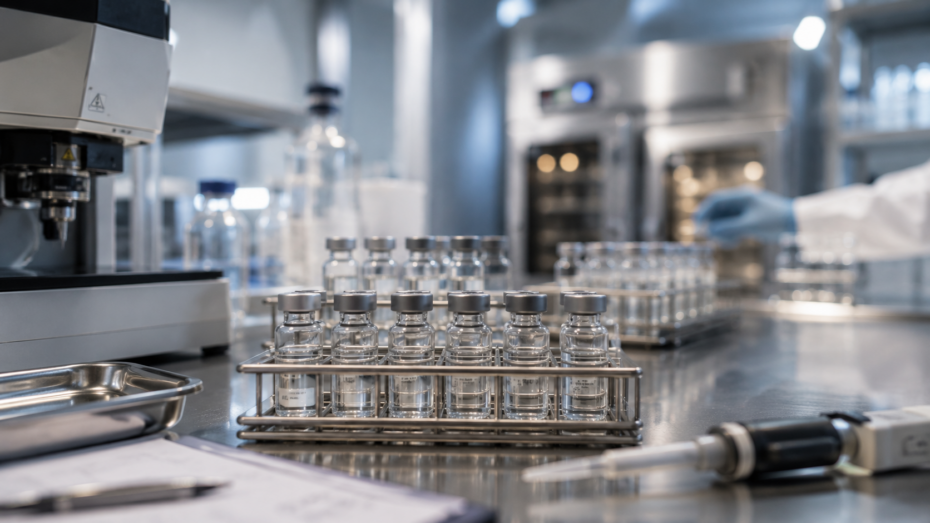
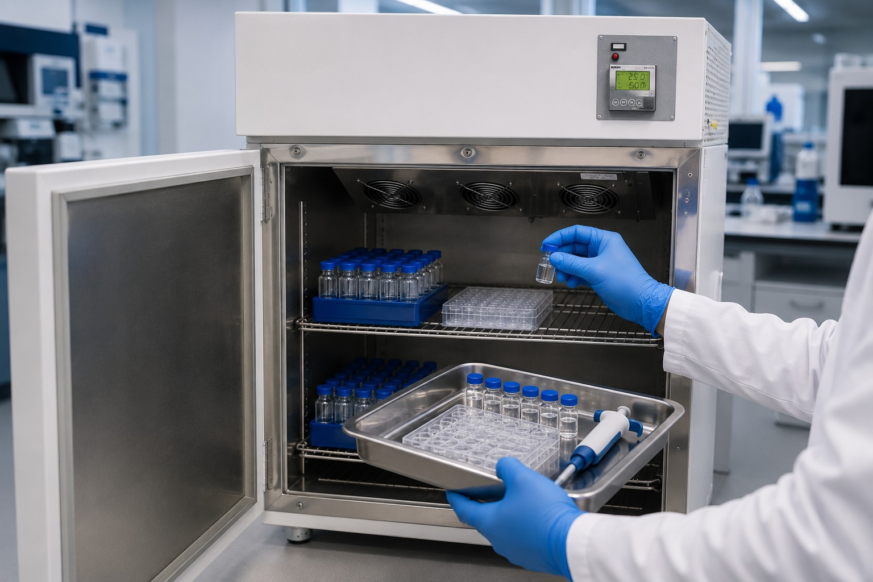
Visuals within this article include AI-generated illustrative concepts intended to represent controlled environment applications and operational scenarios. Images may not depict actual Darwin Chambers products, installations, or customer environments.