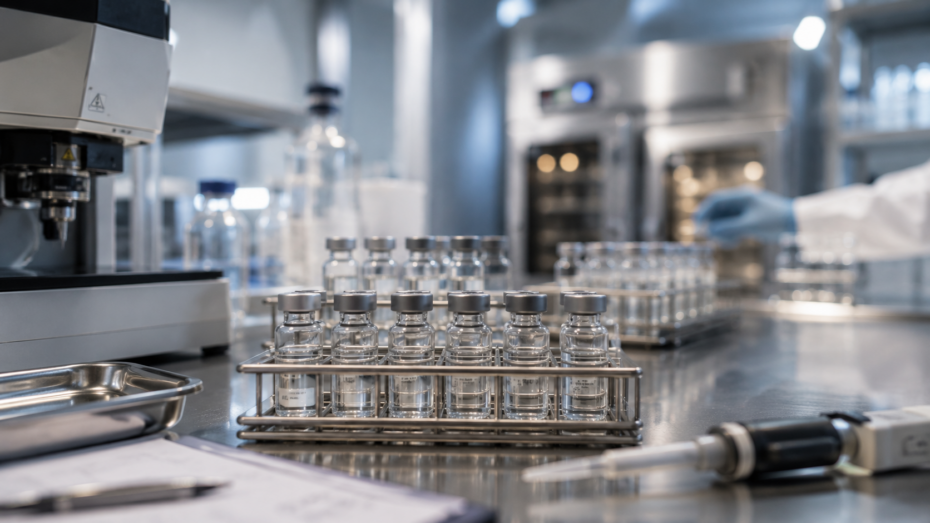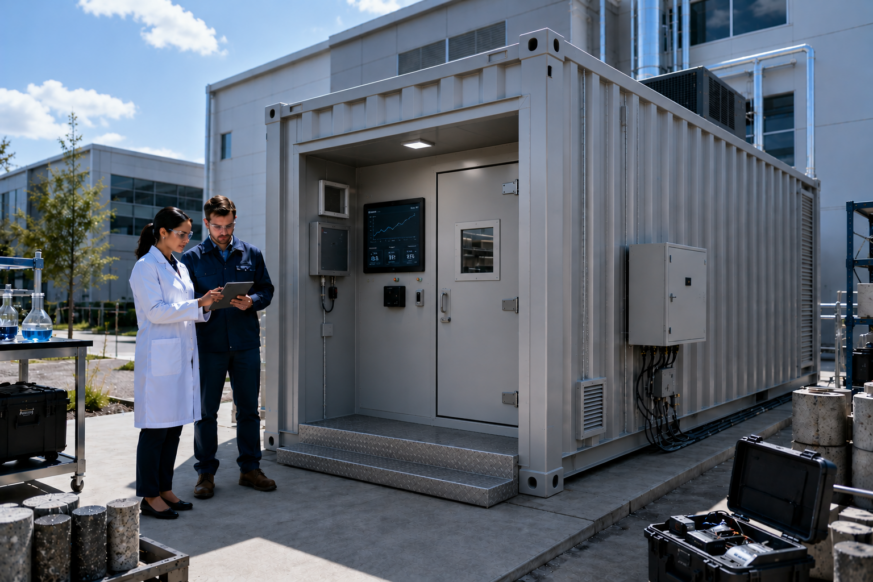
Transportable environmental chambers are mobile, controlled environments designed to provide precise temperature, humidity, and environmental conditions wherever they are needed. Often built using modified shipping containers or portable structures, these chambers bring the performance of a traditional environmental room into a format that can be relocated, deployed quickly, and operated across a wide range of environments.
They are used across industries including pharmaceuticals, biotechnology, construction, aerospace, agriculture, manufacturing, and research, especially in situations where flexibility, temporary capacity, or field deployment are important.
As organizations look for more adaptable ways to support testing, storage, and environmental simulation, transportable chambers are becoming an increasingly valuable solution.
What Is a Transportable Environmental Chamber?
A transportable environmental chamber is a portable controlled environment engineered to maintain stable conditions such as:
- Temperature
- Humidity
- Airflow
- Lighting (in some applications)
- Pressure or altitude simulation (specialized systems)
Unlike permanent environmental rooms installed within a facility, transportable chambers are designed to be relocated or deployed where operational needs require them.
Many transportable chambers are constructed from modified shipping containers due to their structural durability, mobility, and scalability. Others are purpose-built portable structures designed specifically for environmental control applications.
The goal is the same in either case:
deliver reliable, repeatable environmental conditions in a mobile format.
How Transportable Environmental Chambers Work
Transportable chambers use many of the same systems found in permanent environmental rooms and reach-in chambers.
These systems typically include:
- Heating and cooling systems
- Humidity control systems
- Air circulation and airflow management
- Sensors and monitoring instrumentation
- Programmable control systems
- Insulated wall and panel construction
Together, these systems maintain stable environmental conditions regardless of outside weather or deployment location.
Modern transportable chambers are often designed with the same performance expectations as permanent installations, allowing them to support demanding research, testing, and storage requirements.
Why Organizations Use Transportable Chambers
Transportable environmental chambers solve operational challenges that permanent installations may not address efficiently.
1. Mobility and Flexibility
One of the biggest advantages is the ability to relocate the chamber as needs evolve.
This is especially valuable for:
- Temporary projects
- Remote testing sites
- Construction environments
- Expanding operational capacity quickly
Instead of building a permanent controlled environment, organizations can deploy environmental control where it is immediately needed.
2. Rapid Deployment
Transportable chambers can often be deployed much faster than constructing permanent facilities.
This helps organizations respond to:
- Increased testing demand
- Temporary storage needs
- Facility renovations
- Emergency or overflow situations
For many operations, speed to deployment directly impacts productivity and continuity.
3. Scalable Environmental Capacity
Organizations may require additional controlled environments without expanding their physical footprint permanently.
Transportable chambers provide a way to:
- Add temporary capacity
- Support seasonal or project-based demand
- Expand testing capabilities incrementally
This flexibility helps organizations adapt without overcommitting to permanent infrastructure.
4. Controlled Conditions in Remote Environments
Some applications require environmental control outside traditional laboratory or manufacturing facilities.
Transportable chambers support:
- Field testing
- Remote research
- On-site construction testing
- Mobile environmental simulation
By bringing controlled conditions directly to the worksite, teams can reduce delays and improve operational efficiency.
Common Applications for Transportable Environmental Chambers
Transportable chambers support a wide range of industries and applications.
Pharmaceutical and Biotechnology
- Temporary stability testing capacity
- Controlled storage environments
- Overflow research and development support
- Backup environmental capacity during facility upgrades
In regulated industries, maintaining environmental consistency is essential for protecting research integrity and compliance.
Construction and Concrete Testing
Transportable concrete curing rooms are widely used to maintain proper curing conditions for concrete samples and testing.
Applications include:
- DOT and infrastructure projects
- Commercial construction
- Field quality control testing
These chambers allow teams to maintain controlled curing conditions directly at the job site.
Aerospace and Industrial Testing
Environmental simulation is often required to evaluate how products or materials perform under changing conditions.
Applications include:
- Temperature cycling
- Humidity exposure
- Environmental stress testing
- Field deployment testing
Transportable chambers provide flexibility for testing large or specialized equipment in different locations.
Agriculture and Plant Research
Transportable chambers can support:
- Plant growth research
- Environmental simulation
- Agricultural testing programs
This is particularly valuable in research settings where controlled conditions need to be deployed near field operations or seasonal studies.
Shipping Containers as Environmental Chambers
Shipping containers have become a popular foundation for transportable environmental chambers because they provide:
- Structural durability
- Portability
- Standardized dimensions
- Efficient transportation logistics
When properly engineered and insulated, shipping containers can be transformed into high-performance controlled environments capable of maintaining precise conditions across demanding applications.
These systems combine the mobility of containerized infrastructure with the performance expectations of traditional environmental chambers.
Transportable vs Permanent Environmental Chambers
Choosing between a transportable chamber and a permanent installation depends on operational goals.
Transportable Chambers Are Often Best When:
- Flexibility is required
- Operations may relocate
- Temporary capacity is needed
- Fast deployment is important
- Testing occurs in remote environments
Permanent Chambers Are Often Best When:
- Long-term fixed infrastructure is preferred
- Capacity requirements are stable
- Facility integration is critical
In many cases, organizations use both approaches together to support different operational needs.
Reliability and Performance Matter
Even though transportable chambers are mobile, performance expectations remain high.
Organizations still require:
- Precise environmental control
- Consistent operation
- Reliable monitoring and alarms
- Long-term durability
Because of this, transportable chambers must be engineered with the same attention to reliability, airflow, insulation, and control stability as permanent controlled environments.
In many applications, the work inside the chamber is far more valuable than the chamber itself. Protecting that work requires dependable environmental performance wherever the chamber is deployed.
The Future of Transportable Environmental Control
As organizations seek more adaptable and scalable infrastructure, transportable environmental chambers are becoming an increasingly important part of research, testing, and operational strategy.
Advancements in:
- Monitoring technology
- Predictive maintenance
- Remote visibility
- Energy efficiency
are helping transportable chambers deliver even greater reliability and operational insight over time.
This evolution is allowing organizations to maintain precision environmental control without sacrificing flexibility.
A Partner in Performance
Transportable environmental chambers provide a flexible way to bring controlled environments directly to where they are needed most.
Darwin Chambers designs and supports transportable chamber solutions that help organizations maintain reliable environmental performance across research, testing, storage, and industrial applications.
From precision engineering to long-term support, the focus remains the same:
protect the integrity of the work inside the chamber while supporting operational flexibility and performance over time.
Learn More
If you are evaluating transportable environmental chambers or exploring portable controlled environment solutions for your application, our team can help.
Contact sales@darwinchambers.com to discuss your requirements and learn more.
Image Disclosure
Visuals within this article include AI-generated illustrative concepts intended to represent controlled environment applications and operational scenarios. Images may not depict actual Darwin Chambers chambers, installations, or customer environments.