Environmental chambers play a critical role across a wide range of industries where controlled conditions are required to test, validate, and store materials, products, and biological systems.
From pharmaceutical development to plant research and industrial testing, these chambers provide the precision and repeatability needed to generate reliable outcomes.
While the core function of an environmental chamber remains consistent, its application varies significantly depending on the industry and the specific requirements of the work being performed.
What Environmental Chambers Enable
Across industries, environmental chambers are used to:
- Simulate real-world conditions in a controlled setting
- Maintain stable environments for sensitive materials
- Support repeatable testing and validation processes
- Reduce variability and improve data reliability
These capabilities make environmental chambers essential in any environment where accuracy, consistency, and traceability are required.
Pharmaceutical and Life Sciences
Environmental chambers are widely used in pharmaceutical and life sciences applications, where strict regulatory requirements and data integrity are critical.
Common Applications
- Stability testing for drug development
- Storage of temperature- and humidity-sensitive materials
- Controlled environments for biologics and reagents
- Validation of product performance under defined conditions
Why It Matters
In these environments, even small deviations can compromise results, delay approvals, or require costly rework. Environmental chambers help ensure that testing conditions remain consistent and aligned with regulatory standards.
Biotechnology and Research Laboratories
In research environments, environmental chambers support a wide range of experimental applications.
Common Applications
- Biological and physiological studies
- Drosophila and insect research
- Cell culture and incubation
- Environmental simulation for experimental design
Why It Matters
Controlled environments allow researchers to isolate variables and produce repeatable results, which is essential for advancing scientific understanding and validating hypotheses.
Plant Growth and Agricultural Research
Environmental chambers are critical tools in plant science and agricultural research, where environmental conditions directly influence growth and development.
Common Applications
- Plant growth studies under controlled conditions
- Simulation of seasonal or geographic environments
- CO₂, humidity, and light-controlled experiments
- Crop development and stress testing
Why It Matters
These chambers allow researchers to study how plants respond to different environmental factors, supporting advancements in agriculture, sustainability, and food production.
Industrial and Manufacturing
In industrial settings, environmental chambers are used to test materials, components, and products under extreme or variable conditions.
Common Applications
- Temperature and humidity stress testing
- Product durability and lifecycle testing
- Environmental simulation for quality assurance
- Failure analysis under controlled conditions
Why It Matters
Understanding how products perform in real-world environments helps manufacturers improve quality, reduce failure rates, and ensure reliability in the field.
Aerospace and Defense
Environmental chambers are used in aerospace and defense applications to simulate extreme conditions that equipment may encounter in operation.
Common Applications
- Altitude simulation
- Temperature cycling and stress testing
- Environmental conditioning for sensitive equipment
- Performance validation under extreme conditions
Why It Matters
Equipment used in these environments must perform reliably under highly variable and often extreme conditions. Environmental chambers provide the controlled testing required to validate that performance.
Food and Beverage
Environmental chambers support quality control and product development in the food and beverage industry.
Common Applications
- Shelf-life testing
- Stability studies under different conditions
- Packaging validation
- Controlled storage environments
Why It Matters
Maintaining consistent environmental conditions helps ensure product quality, safety, and compliance with industry standards.
Archival and Preservation
Environmental chambers are used to protect sensitive materials that require stable conditions over long periods of time.
Common Applications
- Preservation of historical documents and artifacts
- Controlled storage for sensitive materials
- Long-term environmental stability
Why It Matters
Fluctuations in temperature and humidity can degrade materials over time. Controlled environments help preserve integrity and extend lifespan.
Healthcare and Clinical Applications
Environmental chambers are also used in healthcare and clinical settings to support patient care, research, and training.
Common Applications
- Controlled environments for clinical studies
- Simulation of environmental conditions for patient testing
- Storage of sensitive medical materials
Why It Matters
Consistency and control are essential for ensuring reliable outcomes in both clinical research and patient-related applications.
A Common Thread Across Industries
While the applications vary, the underlying need remains the same:
controlled, repeatable environments that protect the integrity of the work being performed.
Environmental chambers provide the foundation for this consistency, enabling organizations to:
- Reduce variability
- Improve data quality
- Maintain compliance
- Support long-term reliability
Matching the Chamber to the Application
Selecting the right environmental chamber depends on:
- The type of material or product being tested
- Required environmental conditions
- Duration of testing or storage
- Regulatory requirements
- Scale of operation
In many cases, chambers are tailored to the specific needs of the application to ensure optimal performance.
A Partner in Performance
Environmental chambers are critical tools across industries, but their value depends on how well they are designed, implemented, and supported over time.
Darwin Chambers works with organizations to deliver precision-engineered environments that align with application requirements, regulatory standards, and long-term operational goals.
From initial design through ongoing support, the focus remains the same:
protect the work inside the chamber and ensure consistent, reliable outcomes.
Learn More
If you are evaluating environmental chambers for your industry or application, our team can help.
Contact sales@darwinchambers.com to discuss your requirements and explore solutions tailored to your needs.
Image Disclosure
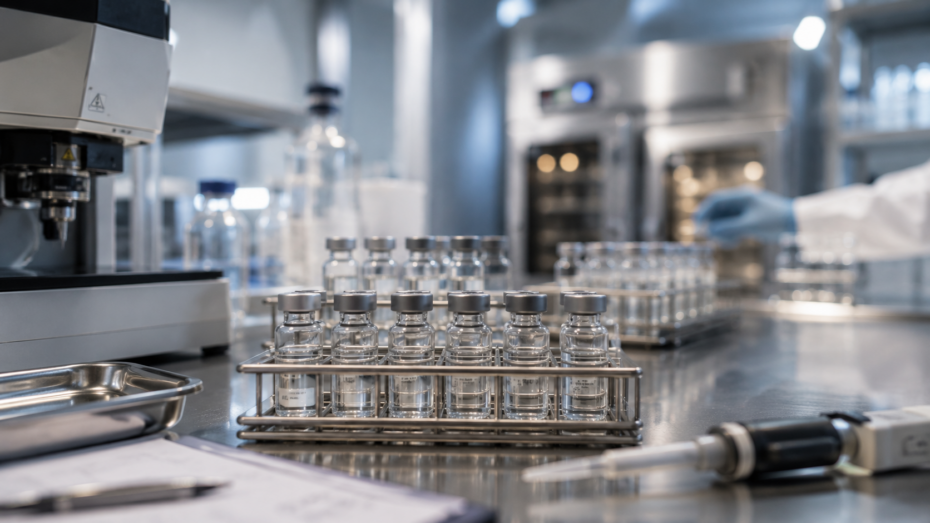
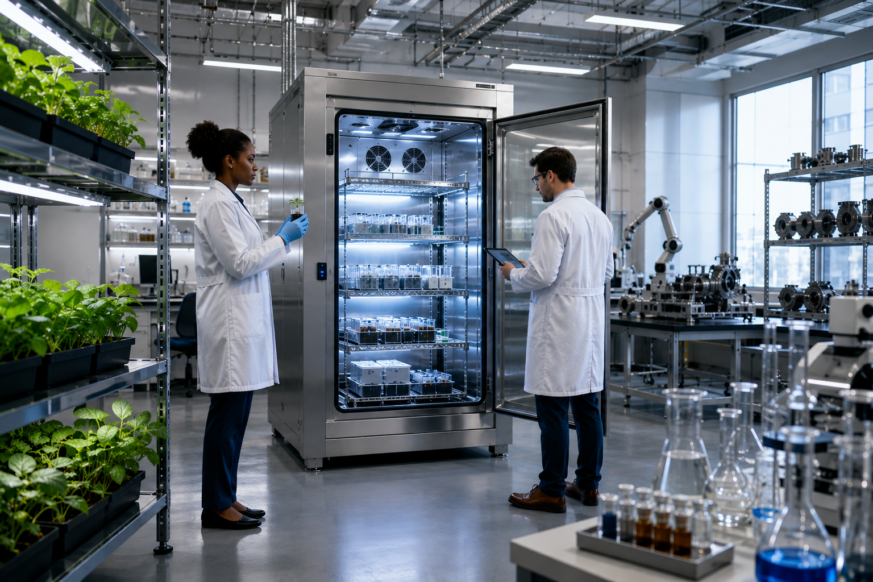
Visuals within this article include AI-generated illustrative concepts intended to represent controlled environment applications and operational scenarios. Images may not depict actual Darwin Chambers chambers, installations, or customer environments.