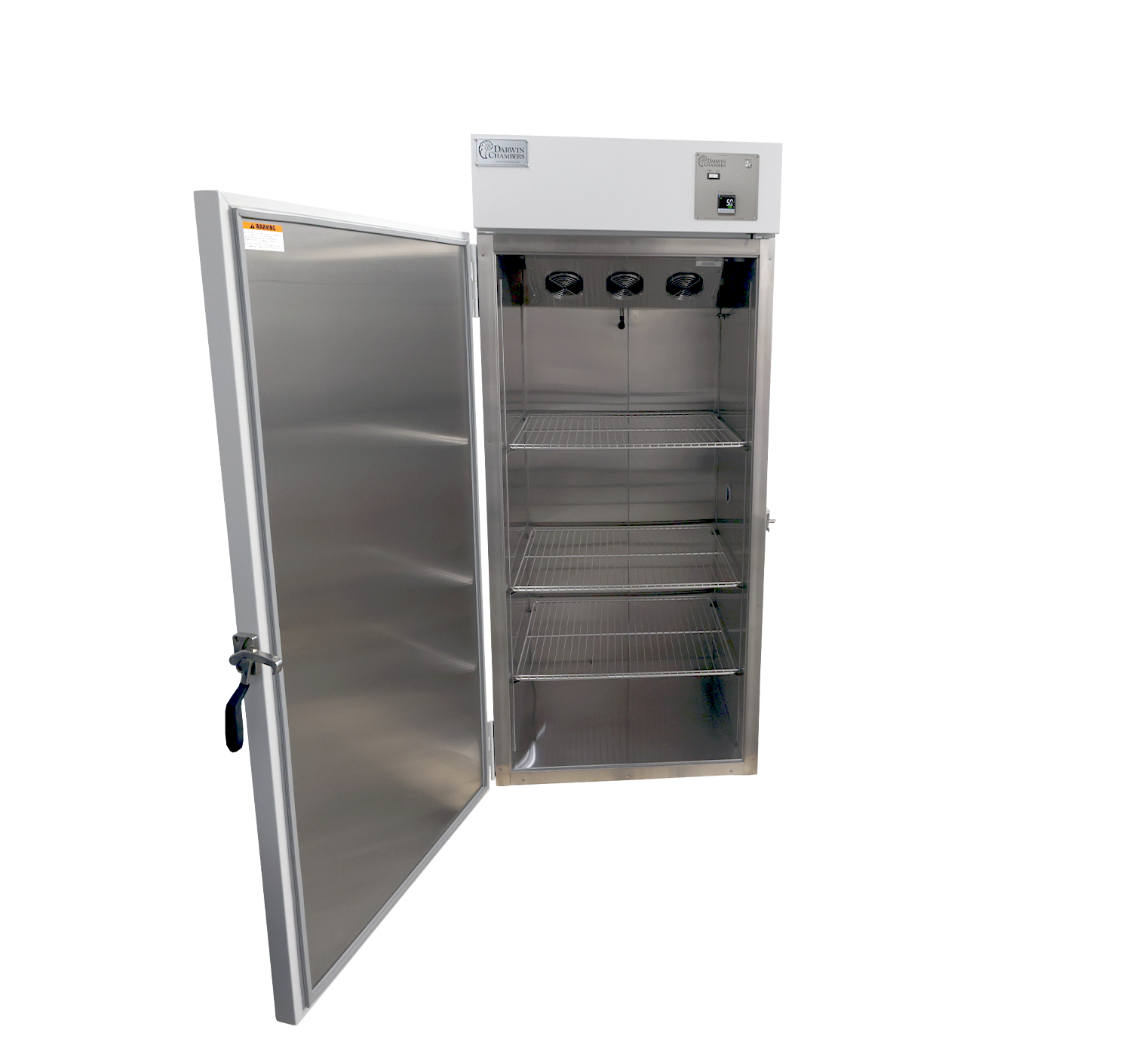
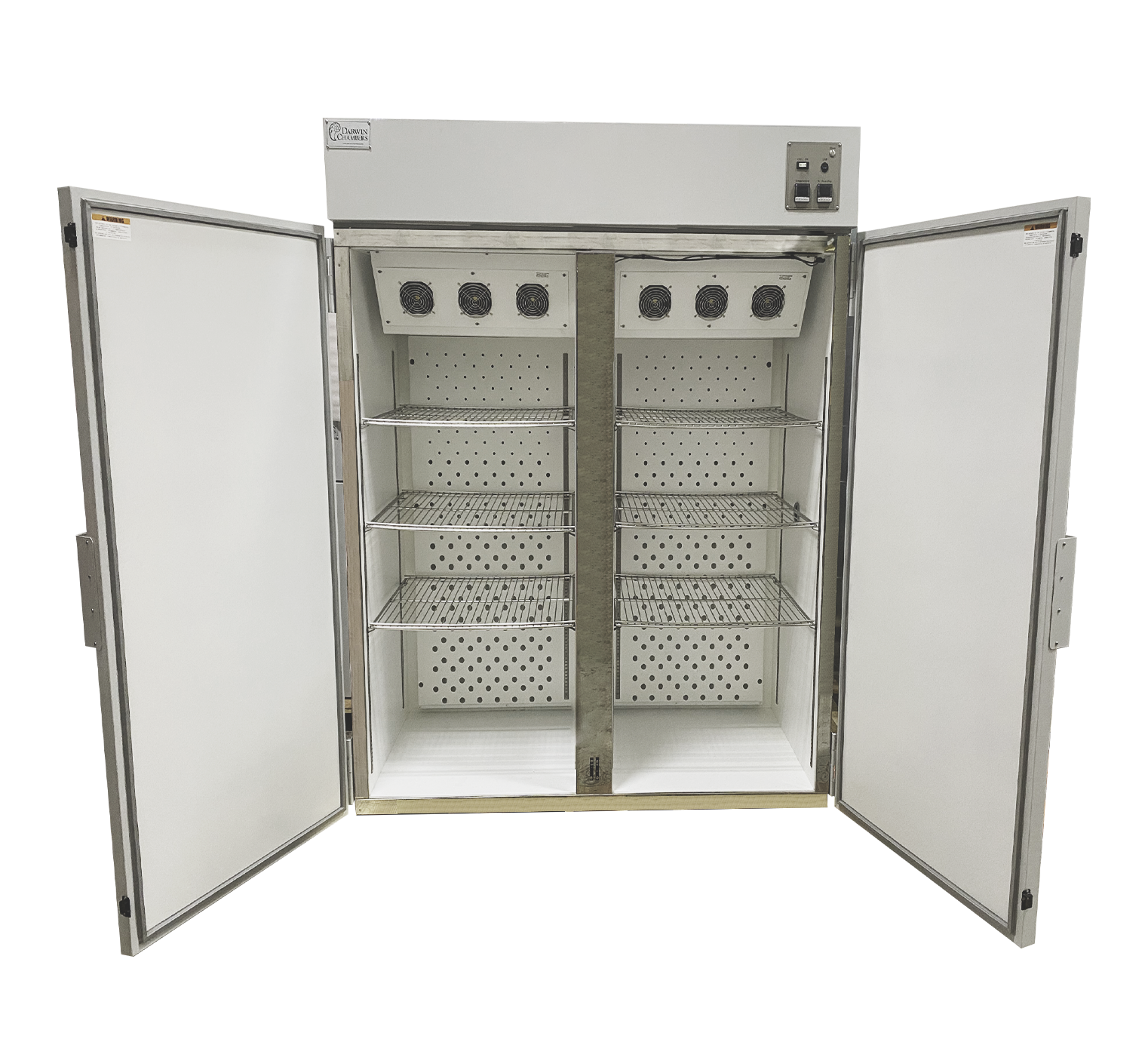
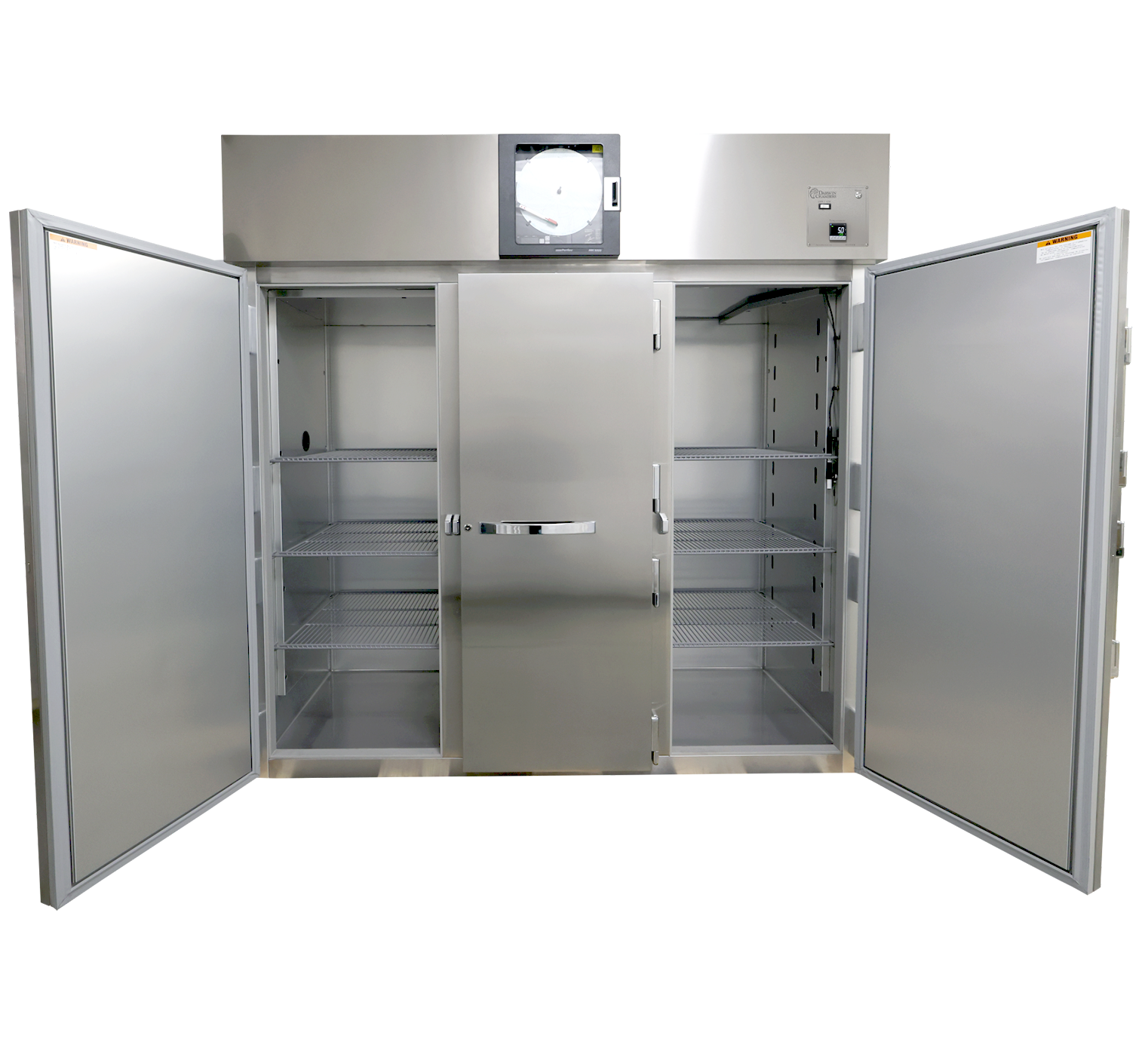
Frequently Asked Questions (FAQs) About Heated Incubators/Ovens
What are Heated Incubators/Ovens Used For?
Heated incubators and ovens are versatile laboratory chambers used for a variety of applications across numerous fields of science and research. Heated incubators/ovens are typically used for:
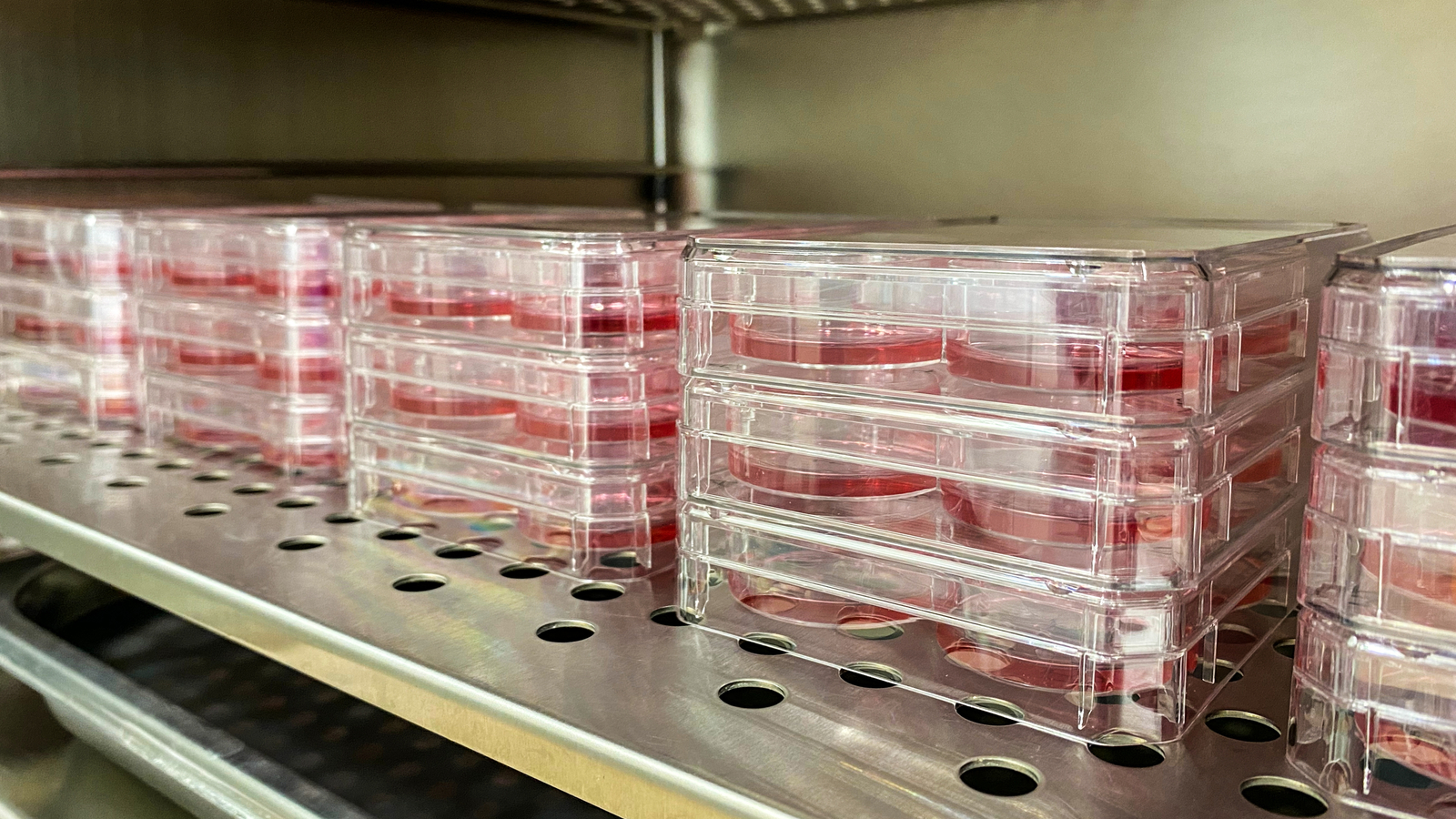
- Cell Culture: Heated incubators offer precise temperature control, which is ideal for promoting cell proliferation, differentiation, and other cellular processes.
- Molecular Biology: Heated incubators are vital for a variety of molecular biology techniques – including polymerase chain reaction, enzyme reactions, DNA hybridization, and protein expression.
- Microbial Culture: Heated incubators are used for the cultivation and propagation of microorganisms like bacteria, fungi, and yeast. The controlled temperature within the chamber supports microbial growth and allows researchers to study microbial physiology and genetics.
- Protein Expression & Purification: The controlled temperature conditions inside heated incubators are ideal for protein production and folding.
- Sample Drying & Sterilization: Heated ovens are used for drying and sterilizing glassware, equipment, and media within a laboratory. The elevated temperatures inside the oven help remove moisture from samples and ensure sterility by killing microorganisms.
- Seed Germination: Heated incubators provide a warm and humid environment conducive to seed germination in plant biology research. Researchers can control the temperature and humidity settings to simulate germination conditions.
- Food & Beverage Testing: Heated incubators/ovens are used in food microbiology laboratories to analyze food and beverage samples for microbial contamination, spoilage, and quality control.
- Environmental Testing: Heated incubators/ovens are used in environmental testing laboratories to simulate accelerated aging, stability testing, and thermal cycling of materials, pharmaceuticals, and electronic components.
What is the Temperature Range of Heated Incubators/Ovens?
The temperature range of both heated incubators and ovens vary depending on the type and the intended use. The following are general temperature ranges:
- Low-Temperature Incubators: These incubators tend to operate within a range of 25°C up to approximately 60°C.
- Standard Incubators: Standard microbiological or CO2 incubators normally have temperature ranges from 20°C up to 50-60°C.
- High-Temperature Incubators: Certain heated incubators might provide temperature ranges up to 100°C or even higher for applications requiring it.
- Ovens: Laboratory ovens typically have temperature ranges that extend from 20°C up to 200°C. Some specialty ovens may even reach temperatures as high as 300°C or 500°C, for specialized thermal processing tasks.
What is the Difference Between a Heated Incubator and an Oven?
Laboratory heated incubators and ovens may seem similar at first glance, but they serve different purposes and have distinct features. Incubators are designed to maintain specific environmental conditions for the growth and cultivation of biological cultures, like microorganisms, cells, and tissues. An oven, on the other hand, is designed to provide a controlled dry heat environment, typically at higher temperatures.
The key characteristics include:
- Temperature Range
- Heated Incubator: Heated incubators typically offer a lower temperature range suitable for biological applications, ranging from ambient temperature (20°C) up to 50-60°C.
- Oven: Ovens typically have a wider temperature range, allowing them to reach higher temperatures for tasks like sterilization and material processing. The temperature range can vary widely, but it often extends from 20°C up to 200°C or higher.
- Design & Construction
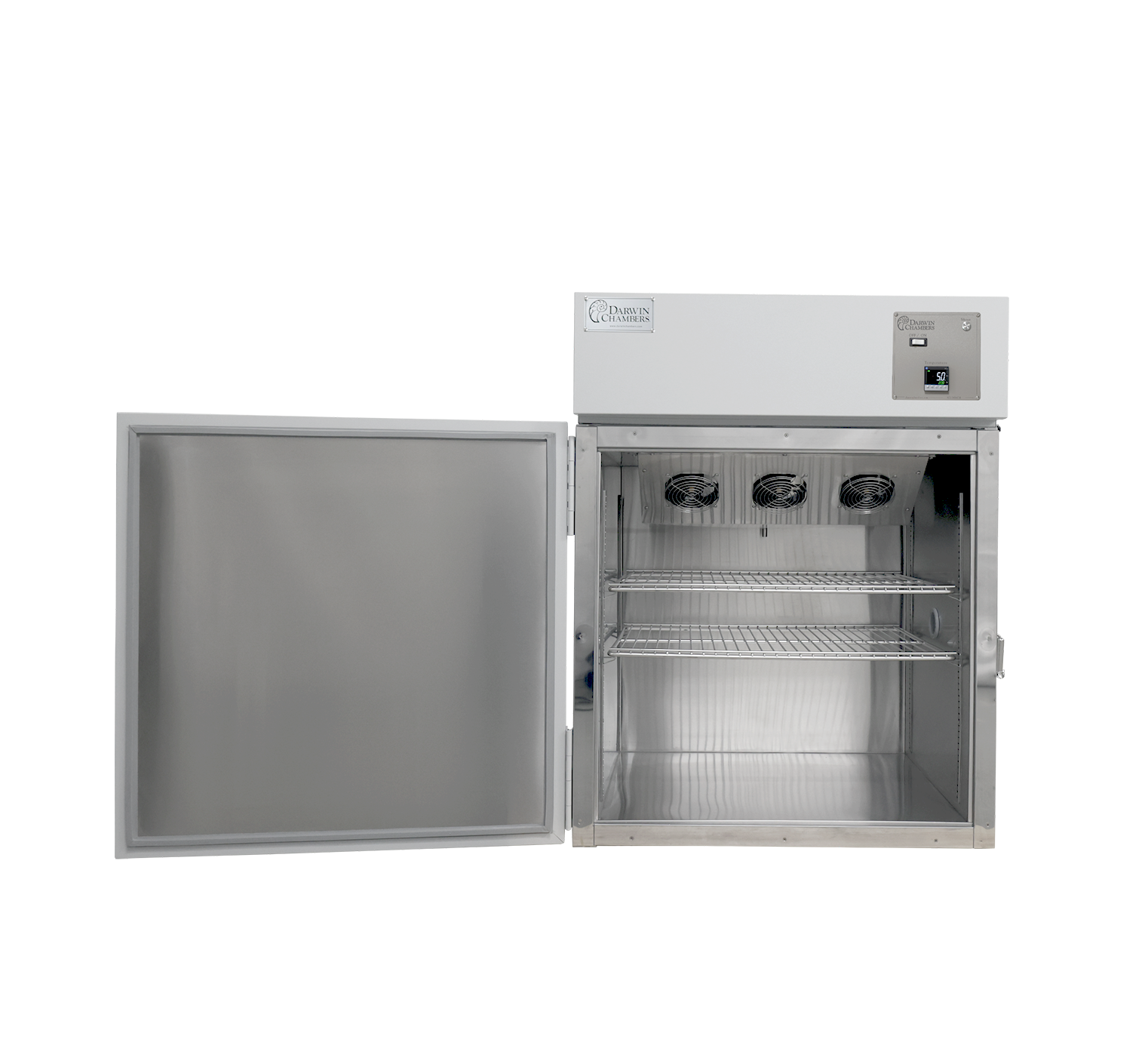
- Heated Incubator: Heated incubators are built with features optimized for biological uses, like humidity control, CO2 or O2 regulation, and shelves or raCks for holding culture vessels. They may also have features for sterility and preventing contamination.
- Oven: Ovens are normally more basic in design and construction, with a concentration on uniform heating throughout the chamber. They may have adjustable shelves or racks for different sample sizes and configurations, but they lack specialized features for biological applications.
- Applications
- Heated Incubator: Heated incubators are often used in life science research, biotechnology, pharmaceuticals, and clinical laboratories for cell culture, microbiology, molecular biology, and plant biology applications.
- Oven: Ovens have a broader range of applications and are used in a variety of fields like chemistry, materials science, food science, and manufacturing for tasks such as drying, sterilization, annealing, curing, and heat treatment.