IN Series Features
IN Series
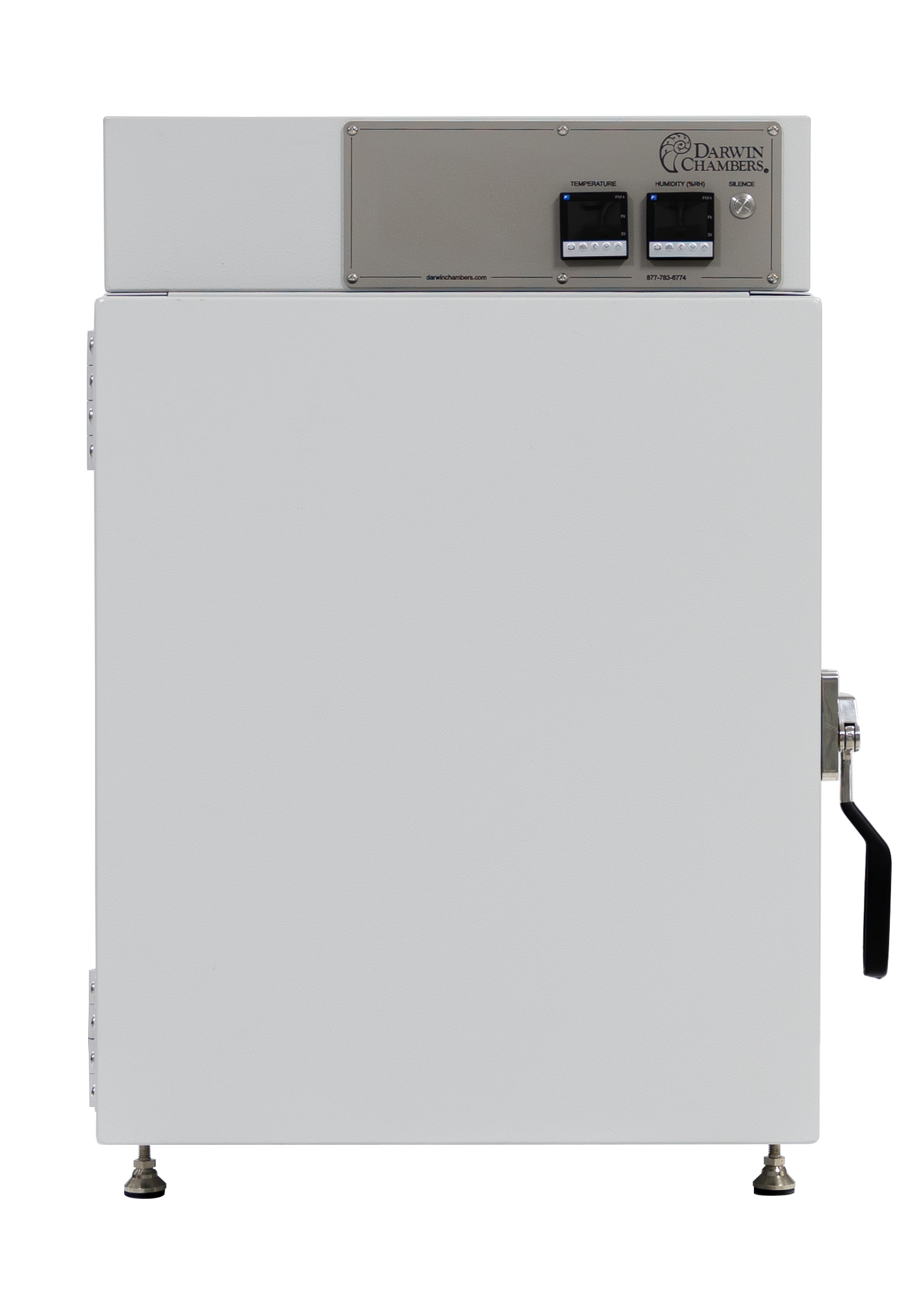
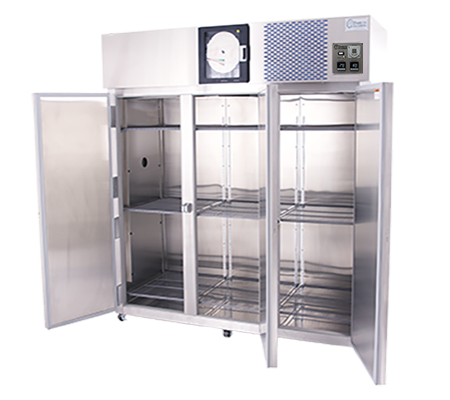
The IN series was introduced in 2003 as the first commercially manufactured large capacity Peltier-cooled insect rearing chamber. Thousands of IN series insect rearing chambers are presently in use by research companies around the world. The advantages of these chambers for insect rearing include:
Serviceability
Due to the omission of all refrigeration equipment on these models, refrigeration technicians are not required during chamber servicing. Refrigerated insect rearing chambers are not only costly to service, but can require days to service properly. Nearly every component of thermoelectric-based chambers can be serviced within minutes with basic tools. For instance, the ultrasonic humidifier is capable of being removed and reinstalled in less than a minute and operates on non-hazardous 24 volts.
Greatly Reduced Direct and Indirect Energy Loads
The IN Series chambers utilize less energy than comparable insect rearing chambers and introduce less impact upon building cooling systems. This efficiency “dual benefit” allows our chambers to be located in spaces unsuitable for other chambers. Electrical energy savings by the IN Series vs. steam boiler equipped chambers can easily amount to hundreds or even thousands of dollars saved per year.
Quiet Operation
The IN chambers utilize quiet and highly efficient DC fans. Locating these chambers in laboratory workspaces is a viable option.
Reliable Cooling Redundancy
Each IN series chamber includes multiple, independent thermoelectric cooling units. The 7 year warranty on cooling components and the ability of our chambers to maintain temperature even if the chamber suffers multiple failures is unmatched by any other refrigeration-based chamber.
Superior Control and Uniformity
The optional ultrasonic humidification system provides excellent humidity control and avoids hot spots seen during chamber mapping of steam boiler equipped chambers. Thermoelectric cooling and automatic switching system from cooling to heating control provide consistent results throughout the available temperature range. Standard control at the sensor in these chambers is ±0.2°C and ±0.3%RH.
Widely Proven, Non-Proprietary Controllers
Standard controllers for the IN Series are manufactured by Fuji Electric and are ideal for insect rearing chambers. Unlike many proprietary controllers, this controller is commercially available and proven in tens of thousands of installations. Standard functions include: autotuning, fuzzy logic, PID control, programmable alarms, calibration capability, ramp/soak, offset capability, etc. A touchscreen control interface is optional. Other controller manufacturers are also supported (Watlow, Allen Bradley etc.)
Options Available
Chart Recorder
CO2
Data Loggers
Timed Lighting
Bench-Top Chamber Capable of Being Stacked
Dryers
Ultrasonic Humidification
Full swinging interior glass door (034)
Services and Warranties
We offer 24 hour technical support throughout the lifetime of your chamber. In addition to standard warranties, we also offer extended warranties for cooling components, parts and labor. We also provide qualifications, validations and preventive maintenance services at an additional cost. Please ask for a quote.
Frequently Asked Questions (FAQs) About Insect Rearing Chambers
What Type of Research Are Insect Rearing Chambers Used For?
Insect rearing chambers are integral tools for a variety of scientific inquiries, including:
- Genetic Research: Studying genetic variations and manipulations in insects to understand inheritance and mutations.
- Developmental Biology: Observing the growth and development stages of insects, from larvae to adult.
- Pest Control Studies: Developing and testing new methods of pest management and control strategies.
- Behavioral Studies: Analyzing insect behavior in controlled environments to understand mating, feeding, and movement patterns.
- Disease Transmission Studies: Researching how insects, particularly mosquitoes, transmit diseases to devise better control measures.
- Ecological and Environmental Impact Studies: Examining the role of insects in ecosystems and their responses to environmental changes.
- Pharmacological Research: Using insects as models for studying potential pharmaceutical applications, such as drug testing or the development of antimicrobial compounds.
What Types of Insects Can Be Reared in Darwin Chambers' Insect Rearing Chambers?
Darwin Chambers' insect rearing chambers are designed to accommodate a variety of insect species, providing a controlled environment that is crucial for precise scientific research. Here are some specific types of insects that can be successfully reared in these chambers:
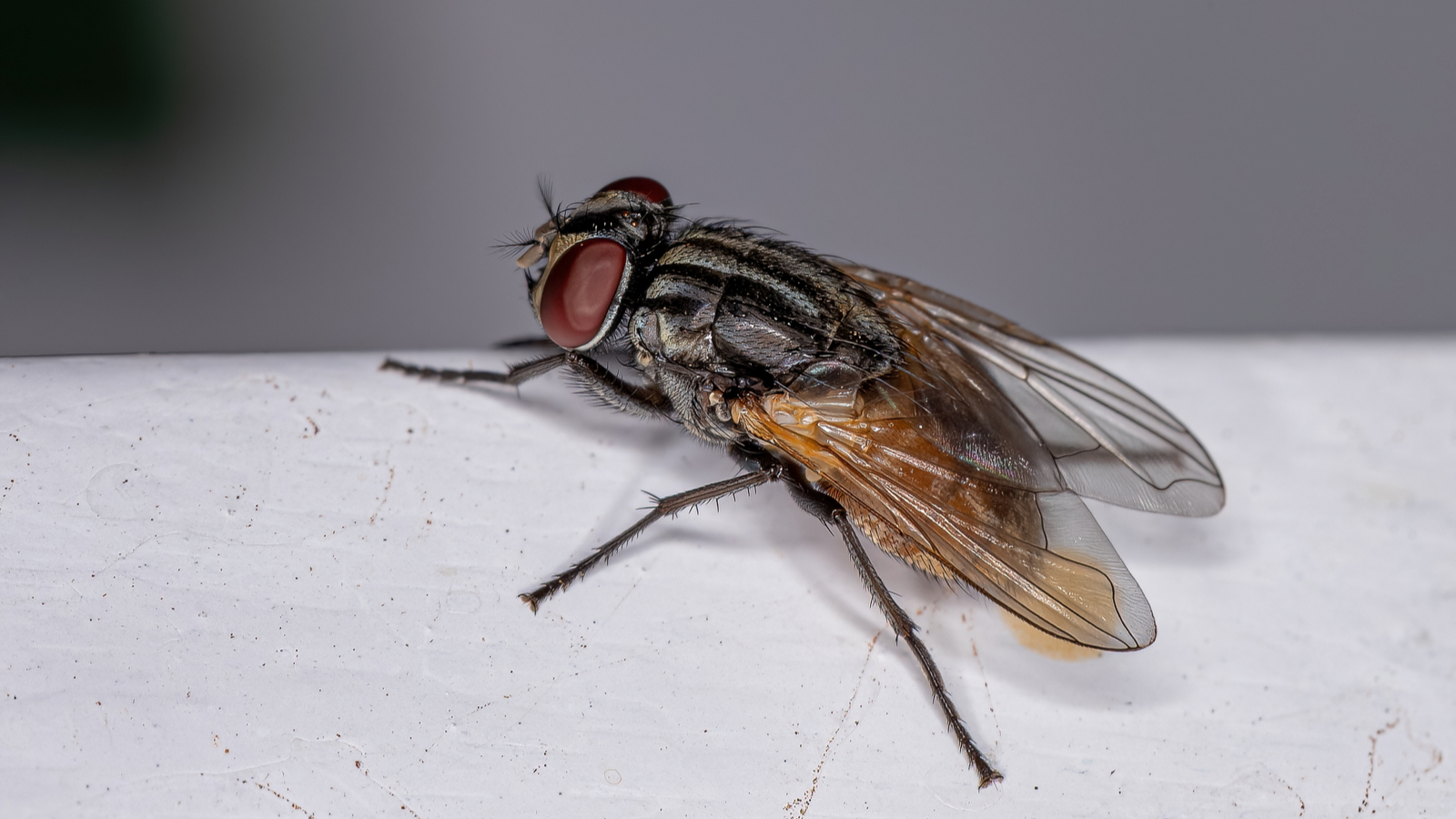
- Drosophila (Fruit Flies): Often used in genetic research due to their short life cycle and genetic simplicity.
- Mosquitoes: Key in studies of disease transmission, especially malaria and dengue fever.
- Beetles: Used in ecological and environmental research.
- Butterflies and Moths: Important for studies on metamorphosis and developmental biology.
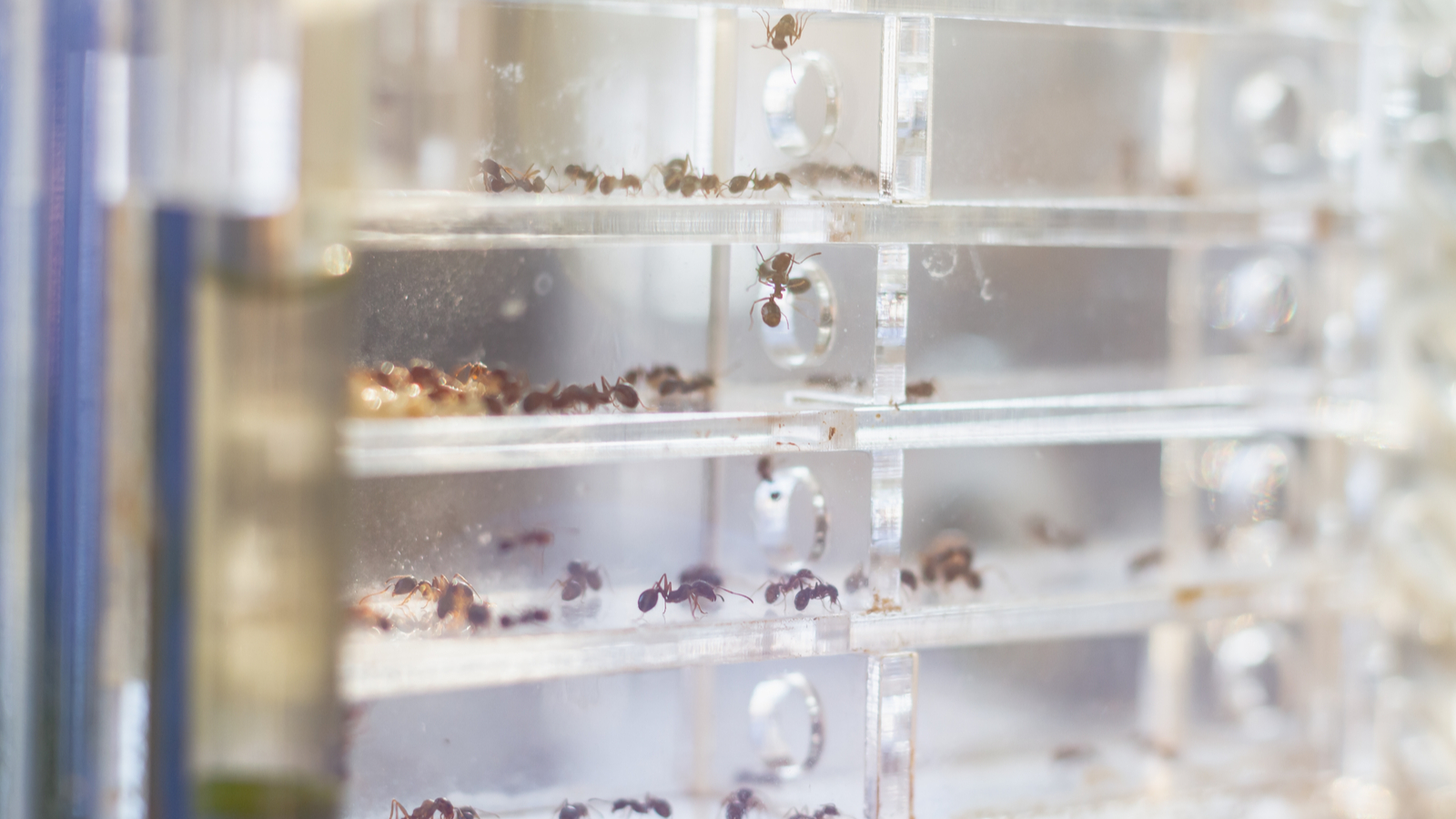
- Ants and Bees: Studied for their complex social behaviors and communication methods.
- Cockroaches: Often used in studies of neurobiology and behavior.
- Silverfish and Firebrats: Studied for their primitive features and survival mechanisms.
- Ticks: Important for research on Lyme disease and other tick-borne illnesses.
- Aphids: Used in agricultural research to study pest behaviors and control strategies.
- Wasps: Studied for their parasitic characteristics and their role in biological control.
How Does the Design of Darwin Chambers' Insect Rearing Chambers Enhance Research Outcomes?
The design of these chambers offers precise control over environmental variables. Here are some design features and their impacts on research:
- Precise Temperature Control: Advanced thermal systems maintain exact temperatures to mimic natural conditions, essential for studying temperature-dependent developmental changes in insects.
- Humidity Regulation: Integrated humidity control systems ensure optimal moisture levels, crucial for insect survival and reproduction studies.
- Programmable Light Cycles: Customizable lighting options replicate natural light cycles, supporting studies on circadian rhythms and photoperiodic responses.
- Air Quality Management: Filtration and ventilation systems maintain clean air to prevent contamination and disease, vital for maintaining health and genetic integrity in breeding programs.
- Energy Efficiency: Incorporating energy-saving technologies reduces operational costs and minimizes the environmental footprint, aligning with sustainability objectives in research settings.
These features create a stable and controlled environment that closely mimics natural habitats, crucial for replicating and observing authentic biological responses in insects.
What Are the Energy Efficiency Standards for Insect Rearing Chambers?
The energy efficiency standards for insect rearing chambers are aimed at reducing both operational costs and environmental impacts. High-quality insulation helps maintain stable internal temperatures with less energy. Energy-efficient LED lighting is used due to its lower power consumption and longevity. Advanced cooling technologies optimize temperature control while minimizing energy use. Additionally, smart control systems automate energy usage, adjusting environmental conditions in real-time to ensure efficiency. These measures are crucial for sustainable research practices and are integrated into the design of modern insect rearing chambers.
A Leading Insect Rearing Solution
Incubators used in the rearing of drosophila and other biological organisms often present challenges to typical laboratory incubators. The acids inherent in the rearing of many specimens or their food can quickly corrode a standard refrigeration evaporator, even if they are “epoxy-coated” High humidity exacerbates the issue, as droplets of concentrated acid will collect on the cooling components. Other companies use an evaporator that can have thousands of square inches of vulnerable evaporator surface, where one very small leak will require expensive repair—that may include many other components of the refrigeration system, other than the evaporator itself, due to compromised oil (modern refrigeration oils are very hygroscopic) in the system. Anyone familiar with Drosophila storage, for example, will understand that the propionic acid present in the chamber can render a new, conventional incubator useless in as little as 6 months.
Obviously, the above scenario is a primary concern to any researcher, but there are many other issues to be concerned about. Because most types of incubators are produced for a very wide audience, many of the details are not ideally suited for the needs of the insect researcher. Details that are often overlooked include: ease of cleaning (flies or mosquitoes inside an evaporator are nearly impossible to remove), ability to shut down all heat or cold producing equipment in the event of a malfunction, ability to decontaminate the chamber with high heat, noise levels, ease of programming, overall reliability in a corrosive atmosphere, and many others. Most refrigerated incubators on the market today are based on the exact same technology used in refrigerators for decades, but the truth is, much biological research is never done at temperatures below 15 degrees Celsius, so it stands to reason that the ability to go below that temperature may indeed be more liability than benefit.
Refrigeration systems control temperature in one of two ways: by cycling on and off or by running continuously. Cycling of the compressor leads to one of two outcomes: short compressor life due to short cycling and inadequate oil return or very poor temperature control (on the order of up to +/-6 degrees Celsius actual air temperature), when cycled too long.
Continuous operation of the compressor is the only way to closely maintain chamber temperatures, but for applications anywhere near room temperatures this method is vastly wasteful both in terms of system sizing and energy efficiency. Refrigeration systems in general have the following drawbacks when used for middle temperature incubators: they all entail many moving parts that can fail, they can all discharge refrigerant due to leaks (bad joints, corrosion, fatigue, poor fittings, etc.), they normally are designed for low temperatures, they make considerable noise when placed in a quiet lab, and they require professional service personnel to resolve and diagnose issues in the event of a problem.
Our standard insect rearing incubator solves these drawbacks through the use of thermoelectric, or Peltier, cooling. When designed to operate properly, this system is exceptionally reliable due to solid-state construction and no moving parts (except fans). Thermoelectric cooling has been around for many years now, and there are many high-end applications that have proven exceptional reliability—look to the refrigerator on the Space Shuttle or the laser industry for further proof. We do not cycle the Peltier devices, nor run them at their full capacity—this affords a MTBF (mean time before failure) of well over 20 years. We back this statement up with a warranty far longer than anyone else on the actual cooling components. You may wonder what drawbacks there are with thermoelectric devices, and the answer lies in the lower amount of raw cooling they can provide versus refrigeration systems. Most refrigeration-based insect rearing chambers can easily go well below freezing if they continue to cool, whereas our insect rearing chamber will bottom out at a temperature of roughly 12 to 15 degrees Celsius below the ambient temperature.